 En
En  Ar
Ar Human Rights Day 2025: Dignity Is a Right That Cannot Be Denied
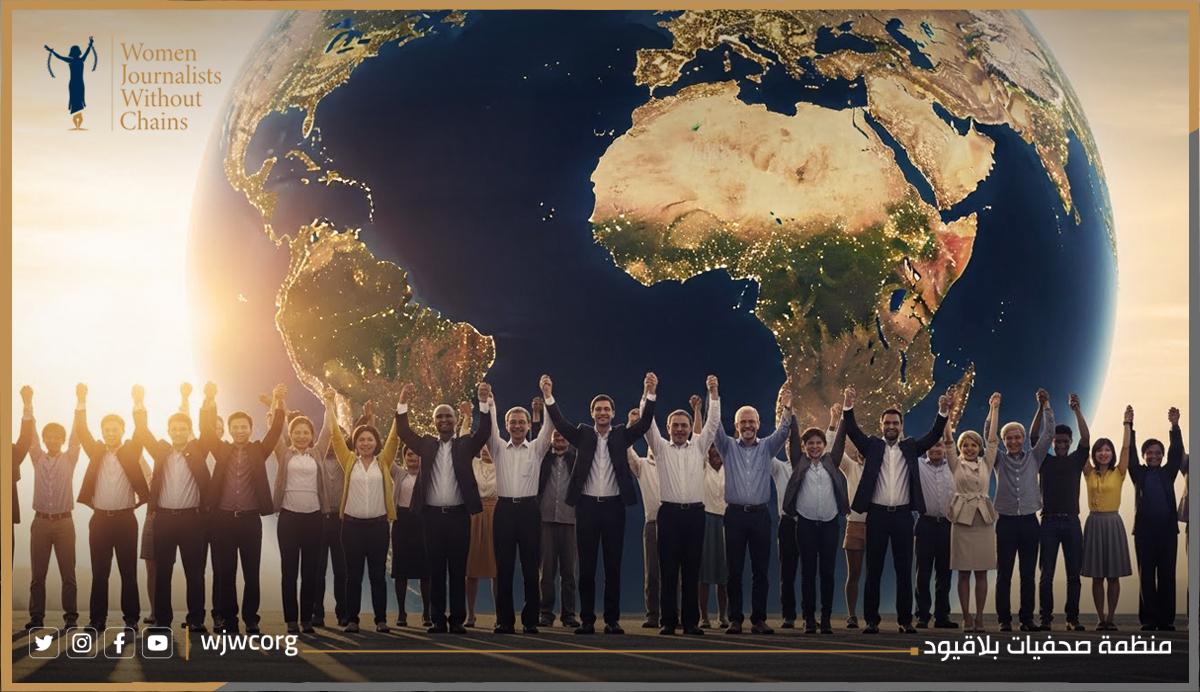
On International Human Rights Day, observed on 10 December, Women Journalists Without Chains reaffirms that human rights are the product of a long and arduous struggle shaped by sacrifice, resistance, and moral clarity.
This struggle—led by peoples, civil society organizations, journalists, and human rights defenders across generations—transformed human rights from ethical ideals into binding international standards designed to protect individuals from the abuse of power.
The international human rights framework did not emerge by chance. It was forged through deliberate human determination that rejected injustice, upheld dignity, and insisted that the individual—not authority, force, or political expediency—must be at the center of governance. This collective effort resulted in the adoption of numerous international conventions and treaties aimed at safeguarding human dignity, preventing tyranny, and guaranteeing equality under the law.
Over decades, international cooperation has sought to combat corruption, promote transparency, and recognize the rights of vulnerable groups—particularly women and children—as fundamental to justice, peace, and sustainable development. In this sense, the defense of human rights evolved from a narrow or elitist concern into a global movement that shaped international norms and imposed itself on the conscience of humanity.
Today, however, these achievements are facing a serious and accelerating regression. Instead of being strengthened, core rights enshrined in the Universal Declaration of Human Rights—including the rights to life, health, education, culture, expression, and political participation—are being steadily eroded. Political and economic rights are increasingly treated as conditional privileges, granted or withdrawn at will, rather than as inherent and non-negotiable entitlements.
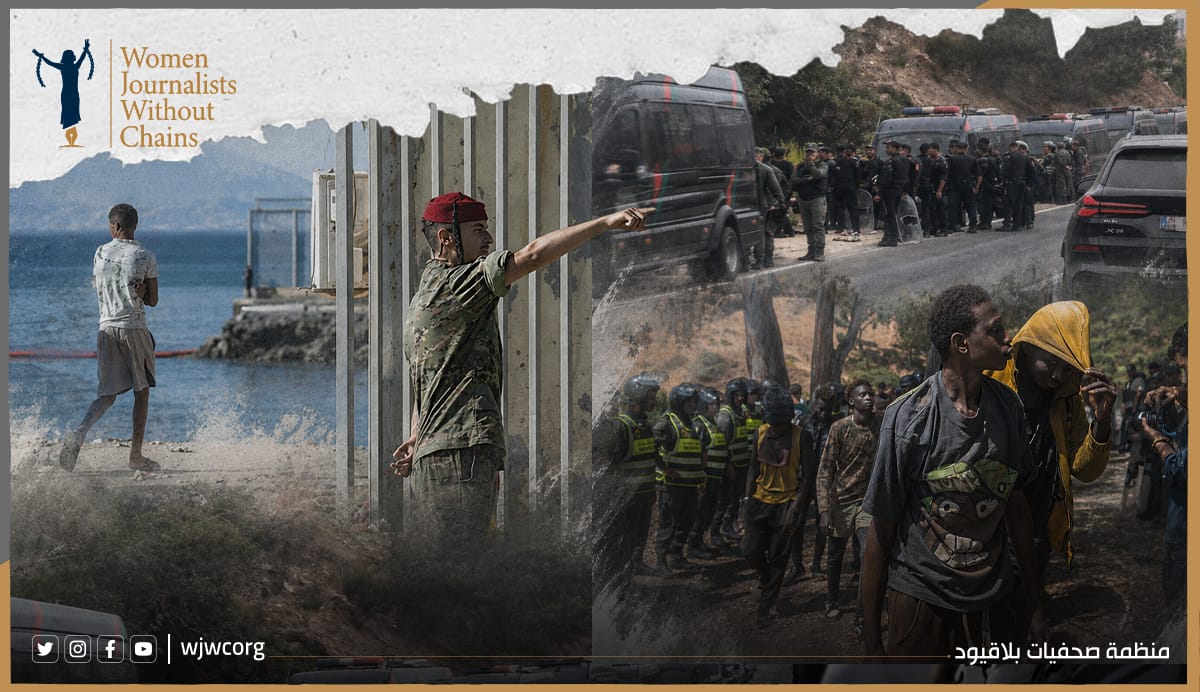
The most profound moral crisis lies in the double standards that characterize the international response to grave violations. In Gaza, widespread destruction and serious crimes continue in full view of the world without credible accountability. In Sudan, mass atrocities persist, pushing the country deeper into a devastating humanitarian catastrophe. Yemen remains trapped in protracted conflict and institutional collapse, its suffering relegated to a suspended international file. In these contexts, the international system risks abandoning its role as a guardian of rights and becoming a passive observer—if not a tacit accomplice—sending a clear message that human rights are applied selectively and unevenly.
This crisis extends well beyond active conflict zones. In countries described as politically stable, repression continues under legal and institutional cover. In Tunisia, exceptional trials and judicial measures increasingly target journalists, political figures, and civil society actors. In Egypt, arbitrary arrests, prolonged pretrial detention, and overcrowded prisons persist in the absence of due process. In Iraq, thousands remain detained without fair trial. In Saudi Arabia and the United Arab Emirates, systematic repression is enforced through the silencing of dissent and the misuse of counterterrorism legislation to close civic space. Across much of the Arab world, human rights are reduced to political instruments emptied of their human meaning.
Women Journalists Without Chains stresses that advancing human rights in the Arab region requires a fundamental shift from symbolic commitments to sustained institutional practice. Human rights education must be at the core of this transformation—education that promotes citizenship, pluralism, equality, and respect for diversity, while restoring justice undermined by corruption and impunity. Respect for human dignity must become a deeply embedded social value, not merely a formal legal obligation.
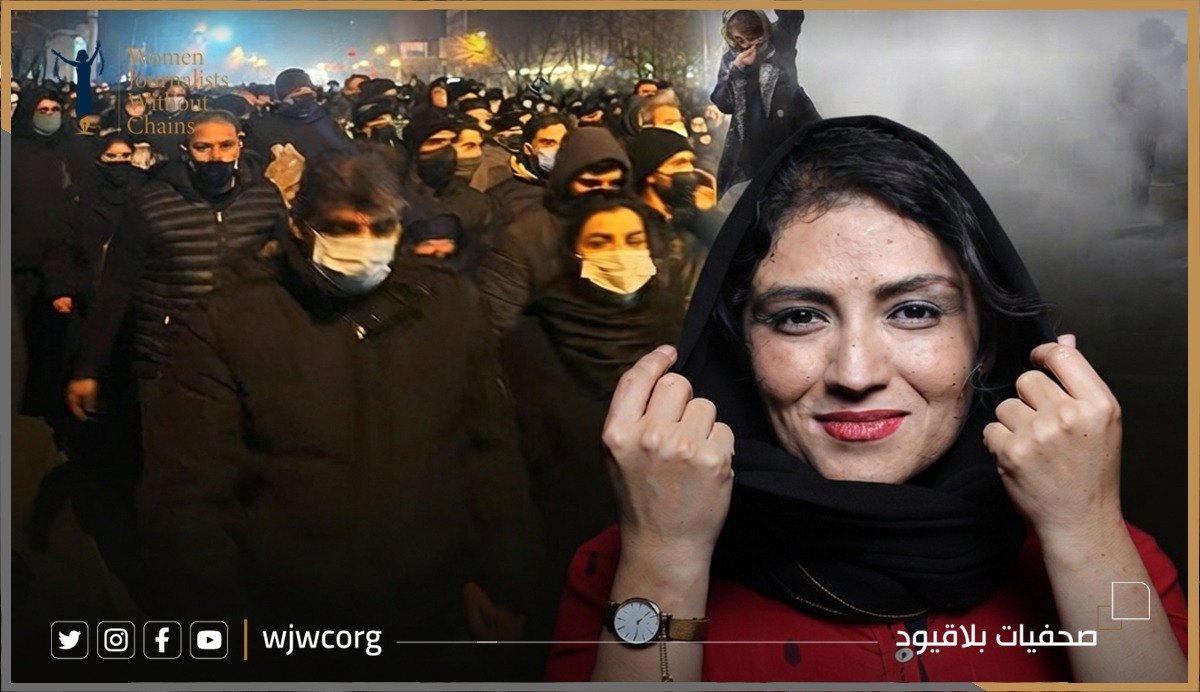
On this occasion, the organization pays tribute to journalists and human rights defenders who persist in speaking the truth despite intimidation, prosecution, and imprisonment. Their courage remains essential to documentation, accountability, and the protection of victims. Journalists Without Borders also commends local and international organizations that continue to monitor violations and support those affected, despite shrinking civic space and growing risks.
The organization expresses grave concern over the continued deterioration of human rights amid escalating crises: Gaza faces grave international crimes, Sudan descends further into humanitarian disaster, and Yemen’s institutions continue to disintegrate while civilians and journalists endure widespread and systematic abuses. These realities confirm that dignity—while universal in principle—remains largely absent from lived experience across the region.
International Human Rights Day must not be reduced to a ceremonial ritual. It is a moment of accountability. The progress achieved globally through decades of struggle will remain incomplete unless comparable efforts are made in our region—unless dignity becomes a binding value, human rights education a strategic priority, and political freedoms an inviolable foundation. Respect for human rights is neither a luxury nor an elitist project; it is a prerequisite for justice, stability, and sustainable development.
On this occasion, Journalists Without Borders calls on:
- The United Nations to move beyond rhetoric and establish independent, effective investigative and accountability mechanisms;
- Arab governments to launch comprehensive political reforms, integrate human rights into educational curricula, protect press freedom, and end the persecution of journalists and human rights defenders;
- The international community to end selectivity and political conditionality that have rendered human rights hostage to narrow interests;
- Media and educational institutions to promote cultures of citizenship, dignity, and pluralism, rather than reproducing division and hate.
This day reflects the collective failure—internationally and regionally—to protect human beings from repression, war, and fear. Women Journalists Without Chains reaffirms its steadfast commitment to defending dignity and freedom for as long as a single voice is silenced or a single life is taken without accountability.