 En
En  Ar
Ar Airstrikes Put Iran’s Political Prisoners in Peril, Warns Women Journalists Without Chains
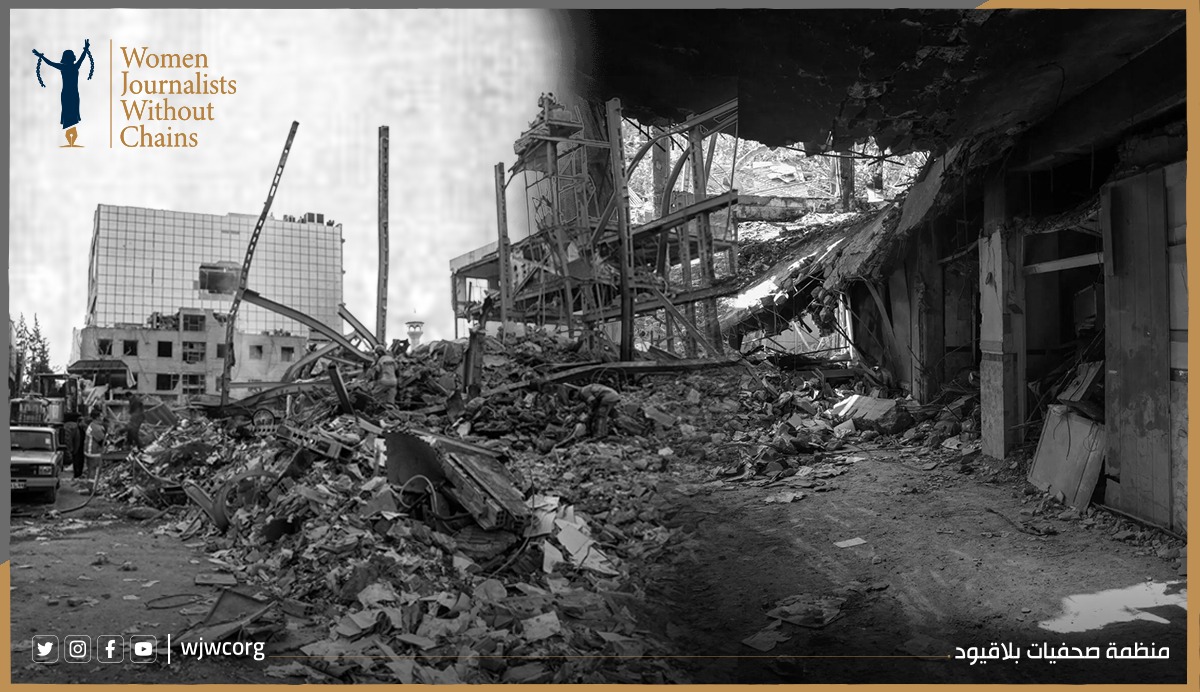
March 11, 2026 — Women Journalists Without Chains expresses profound concern over reports emerging from the Islamic Republic of Iran indicating that several prisons and detention facilities holding prisoners of conscience and political detainees have sustained significant damage,
with injuries reported among inmates following airstrikes carried out by United States and Israeli forces over the past week.
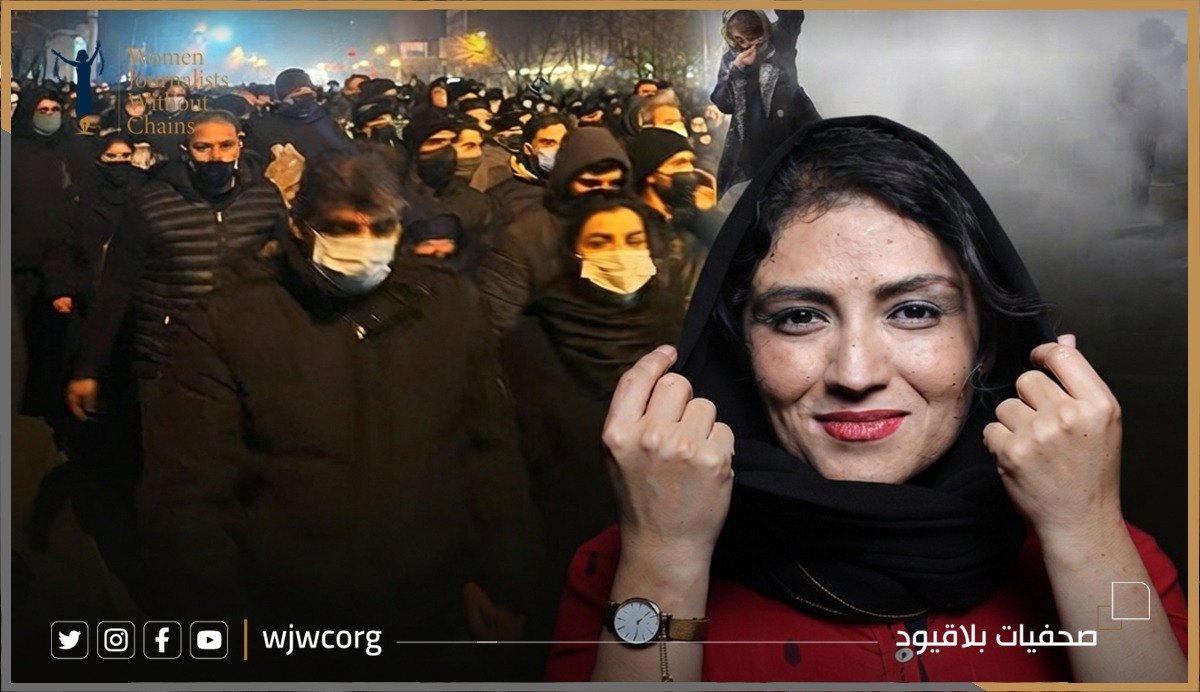
Iranian prisons currently hold tens of thousands of political detainees arrested in connection with protests that have taken place since the beginning of this year. Now, these detainees—alongside other inmates—face a new threat: airstrikes from the United States and Israel.
Reports suggest that detention facilities in Tehran, including the notorious Evin Prison—where many political prisoners are held—have been directly or indirectly affected by the strikes. Other detention sites in Kurdish regions, reportedly used by the Revolutionary Guard to detain activists, may also have been impacted, though information remains limited. Preliminary accounts indicate that several detainees were injured, while widespread fear and panic have spread among prisoners, including women and human rights defenders.
Women Journalists Without Chains is particularly alarmed by the interruption of communication between detainees and their families. Credible reports also indicate that dozens of prisoners, including poet Ali Asadollahi, have been transferred to undisclosed locations without notification to their relatives. Such practices raise serious concerns of enforced disappearance and place detainees at heightened risk, particularly under conditions of armed conflict.
The organization emphasizes that detainees and prisoners are protected persons under international humanitarian law. The failure of the Iranian authorities to relocate or safeguard detention facilities situated near potential military targets exposes inmates to grave danger and raises serious concerns regarding compliance with international legal obligations to protect civilians under their control during military operations.
In addition, the continued detention of thousands of individuals without clear legal charges or due process, particularly under these circumstances, raises serious concerns regarding violations of the right to personal liberty and security.
Testimonies from families of detainees report that explosions near Evin Prison shattered windows inside prison wards and caused structural damage that injured several female prisoners. Meanwhile, Iranian prison authorities have not provided transparent information regarding the number of injured detainees or the whereabouts of those who have been transferred.
These developments have been accompanied by statements from Judiciary Chief Gholam Hossein Mohseni Ejei warning of harsher punishments against individuals who criticize authorities or are accused of siding with “the enemy.” Such rhetoric has heightened fears that the current conflict may be used to justify further repression against political opponents and activists.
In light of these developments, Women Journalists Without Chains calls for:
* Iranian authorities to immediately and unconditionally release all prisoners of conscience, journalists, and political activists detained arbitrarily, and to take urgent measures to ensure the safety of all remaining detainees by relocating them away from areas exposed to military risk.
* The United Nations and the International Committee of the Red Cross (ICRC) to urgently seek access to affected detention facilities, assess the conditions and safety of detainees, and clarify the fate and whereabouts of prisoners who have been transferred.
* All parties to the conflict, including the United States and Israel, to strictly observe the principles of distinction and proportionality under international humanitarian law and to avoid strikes that could endanger civilians and detainees held in detention facilities.
Women Journalists Without Chains stresses that the current military escalation must not become a pretext for further violations against detainees. The safety and dignity of prisoners remain a legal and moral responsibility under international law, and the international community must not ignore the risks facing those held behind prison walls.