 En
En  Ar
Ar 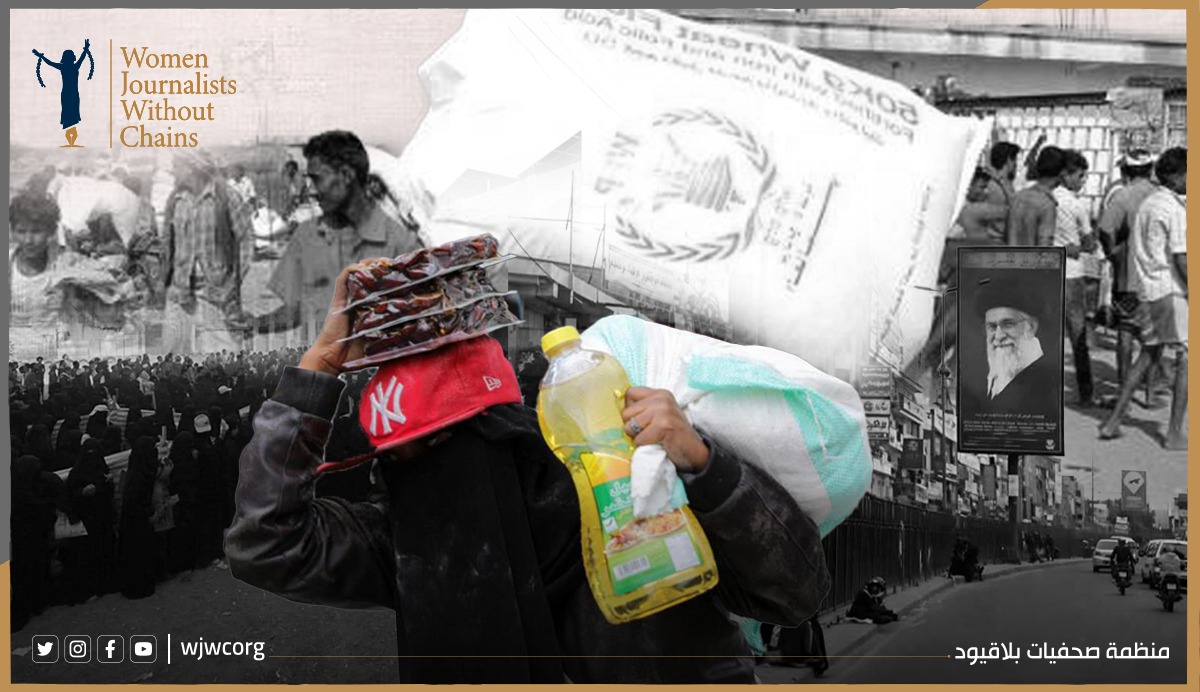
March 9, 2026 — Women Journalists Without Chains warned of an unprecedented humanitarian collapse in Houthi‑controlled territories, exacerbated during the holy month of Ramadan.
The organization highlighted the ongoing denial of salaries to hundreds of thousands of public employees, severe restrictions on humanitarian and charitable work, and the imposition of arbitrary levies on businesses and community initiatives. These practices have shuttered enterprises, fueled mass layoffs, and driven soaring unemployment, poverty, and the erosion of families’ purchasing power.
The organization stressed that the persistence and overlap of these measures reflect a deliberate, systematic policy executed in the context of armed conflict—weaponizing economic and humanitarian tools to subjugate civilians. Such practices, it affirmed, constitute organized impoverishment and the targeting of livelihoods, rising to the level of serious international crimes, including crimes against humanity under the Rome Statute of the International Criminal Court.
Ramadan, traditionally a season of solidarity and compassion, has instead become a time of acute suffering. Families deprived of income and faced with skyrocketing prices are unable to secure basic food and medicine. Thousands, including women and children, have been forced into begging or queuing at scarce charitable initiatives for a single meal—an image of despair that underscores the depth of the crisis.
Women Journalists Without Chains documented repeated incidents of aid obstruction, including the prevention of food basket and cash distribution in Sana’a, Ibb, and Hodeidah. Restrictions, interference in beneficiary lists, and pressure on donors have diverted assistance to militia loyalists, depriving thousands of needy families.
This comes amid one of the world’s worst humanitarian emergencies: 19.5 million Yemenis require urgent aid, 17.1 million face food insecurity, and 61% of households cannot meet minimum food needs. Millions hover on the brink of famine, with projections of over 18 million affected—including children, women, and the elderly.
The organization condemned the continued suspension of salaries despite ongoing revenue, tax, and zakat collection, calling it a grave violation of economic and social rights enshrined in international covenants. It further denounced arbitrary levies on the private sector, which have crippled local economies, closed businesses, and worsened unemployment.
Women Journalists Without Chains also decried the abduction and detention of humanitarian workers, including UN staff, which has disrupted vital relief programs. Targeting aid workers and manipulating distribution mechanisms, it stressed, violates humanitarian principles of neutrality, independence, and non‑discrimination, and undermines protections guaranteed under the Geneva Conventions.
The organization called for:
- Immediate, unconditional release of all detained humanitarian workers.
- An end to interference in relief operations and guarantees of unhindered aid access.
- Urgent resumption of public salary payments in a transparent manner.
- Lifting of arbitrary levies on businesses and community initiatives.
- Strong international action to protect civilians and aid workers, ensure accountability, and prevent impunity for grave violations.
Women Journalists Without Chains concluded that the systematic use of impoverishment and obstruction of aid as tools of control over civilians constitutes a serious breach of international law and may amount to war crimes or crimes against humanity. It urged swift global intervention to halt these practices and safeguard fundamental rights.