 En
En  Ar
Ar Algerian Poet Faces New Trial Amid Escalating Crackdown on Dissent
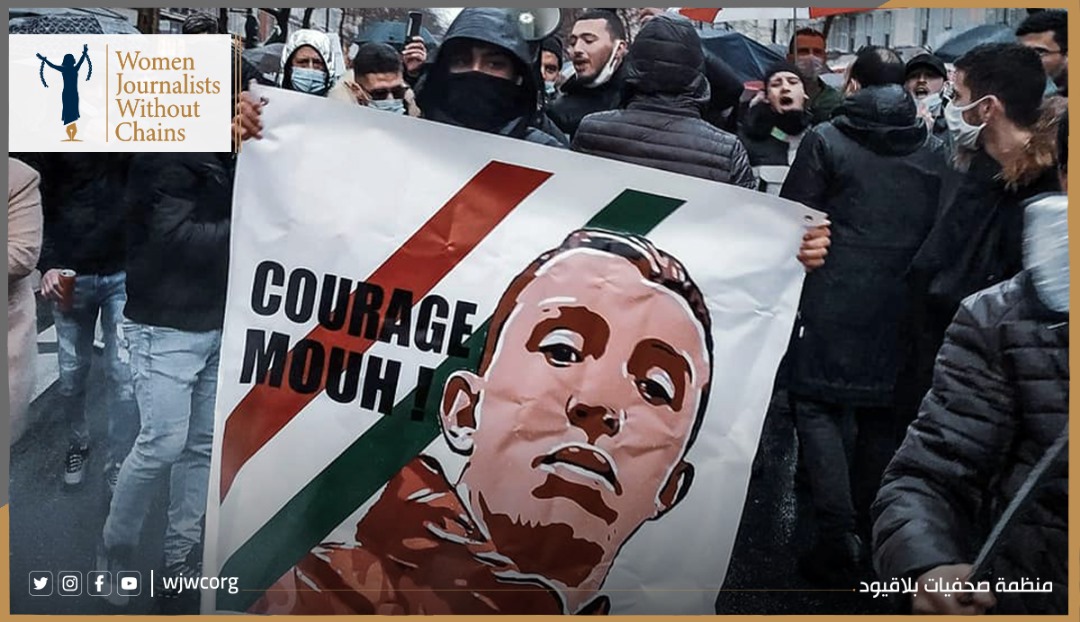
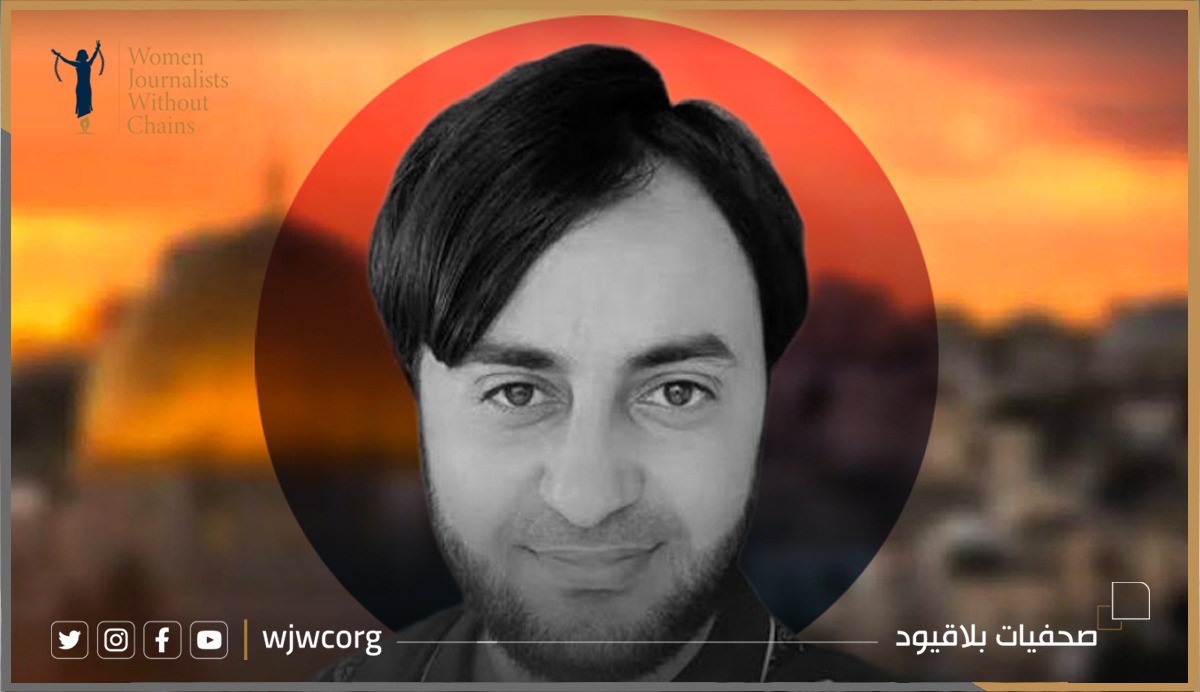
ALGIERS – Prominent Algerian poet and activist Mohamed Tadjadit is set to stand trial on November 30, 2025, alongside 12 other pro‑democracy activists, facing severe state security charges that carry penalties up to life imprisonment or the death sentence.
Algeria has not carried out executions since 1993, according to Amnesty International, though courts continue to issue death sentences. The case was highlighted in a statement from the human rights organization Women Journalists Without Chains (WJWC).
The organization stated it is monitoring the developments with grave concern, alleging that the trial is part of a systematic judicial escalation designed to criminalize free speech and peaceful opposition.
The case against Tadjadit and his co-defendants is built on vague and broad provisions in the Penal Code, WJWC said, relying as evidence on social media posts, private conversations, and poetic expressions that the organization argues do not constitute any criminal act, but rather fall squarely within the realm of constitutionally and internationally guaranteed free speech.
A Pattern of Judicial Persecution
This new trial compounds an already severe situation for Tadjadit. He is currently serving a five-year prison sentence issued earlier in November 2025 on charges of "praising terrorism" and "using communication tools to support a terrorist group." International organizations, including Amnesty International, have previously deemed these charges arbitrary, noting they lack any factual basis and are solely predicated on his literary work and peaceful political stances.
WJWC's monitoring indicates a sustained campaign of judicial harassment against Tadjadit since 2019. Over the past five years, he has been subjected to a series of trials and repeated arrests, detained five times on accusations such as "insulting the president," "undermining national unity," and "publishing incendiary posts."
"This pattern illustrates the use of the law as a tool to silence dissenting voices and dismantle civic space," the WJWC statement read.
Structural Flaws in the Legal System
The case highlights deep, structural flaws within Algeria's legal framework, the organization contends. Articles 77, 78, 79 and 95 bis of the Penal Code are being systematically weaponized to penalize peaceful expression. This practice directly violates Algeria's own Constitution, specifically Article 54 on freedom of press and expression, as well as the country's obligations under the International Covenant on Civil and Political Rights.
WJWC also pointed to a violation of the fundamental legal principle that prohibits trying a person twice for the same act, a practice known as "case recycling," where activists are repeatedly tried based on social media posts that have already been adjudicated.
International Calls for Action
In recent years, the scope of prosecutions against activists and journalists in Algeria has widened, often involving the reopening of old cases and the fabrication of new ones to ensure their continuous detention. These tactics align with analyses from global watchdogs like PEN America, which have concluded that the pursuit of Tadjadit is a direct retaliation for his opinions and peaceful activities, not for any actions constituting a genuine threat to public security.
Once a poet who recited his work in the streets, declaring, "I possess neither a degree nor a political party, only words for my country," Tadjadit has now become a symbol of this state-led repression, with his very words forming the basis of charges that threaten him with devastating new sentences.
Women Journalists Without Chains has called on Algerian authorities to immediately drop all charges against Mohamed Tadjadit and the twelve other activists and to unconditionally release all those detained for their opinions or peaceful participation in public life. They further urge specialized UN mechanisms, including the Special Rapporteur on freedom of opinion and expression, to monitor the November 30 hearing to ensure standards of justice and transparency are upheld.
"Imprisoning a poet for a poem, or an activist for a post, is not merely an individual violation," WJWC emphasized. "It strikes at the collective right of an entire people to think, express, and participate." The organization reaffirmed its commitment to defending free speech and documenting abuses faced by journalists and activists in Algeria.