 En
En  Ar
Ar Escalating Abuses in Saada: Region‑Based Targeting of Civilians
Grave violations against civilians from Rima Governorate in Saada, under the control of Houthi militias, have escalated in recent months.
Documentation shows repeated incidents of extrajudicial killings, direct shootings, and torture, reflecting a systematic pattern of organized violence and institutionalized impunity, with strong indicators of region-based targeting.
Documented Civilian Casualties
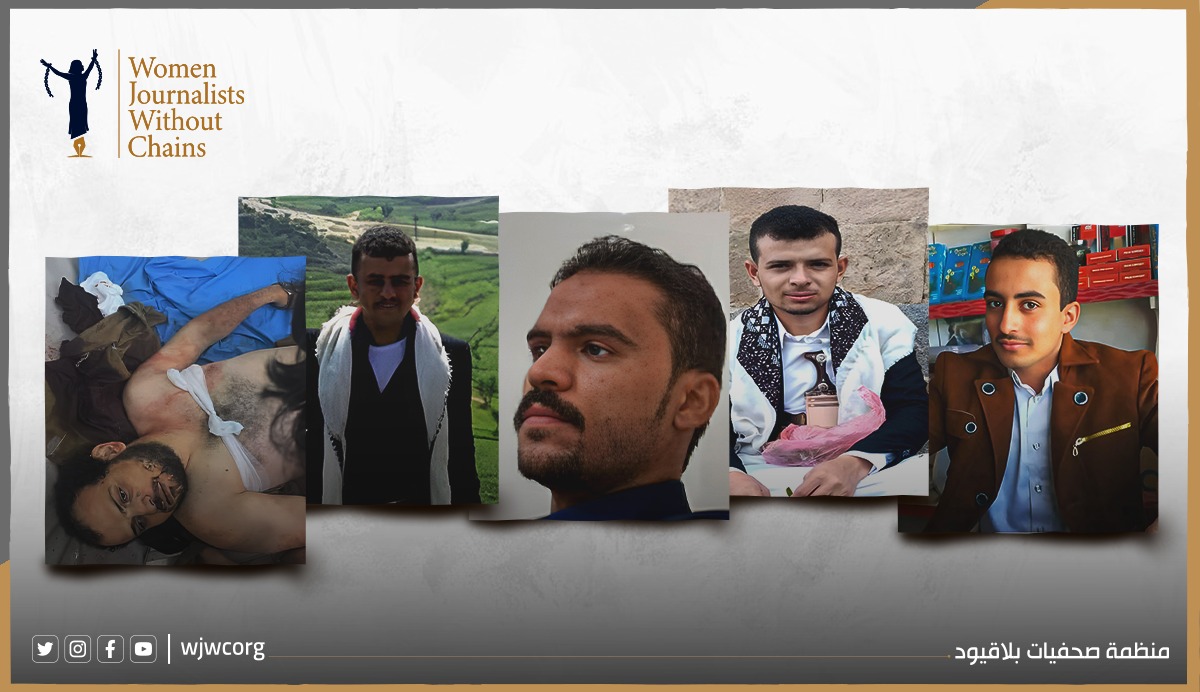
Field reports confirm that at least ten civilians from Rima were killed or injured in different districts of Saada within a short period of time. Victims were targeted while at their workplaces, inside their homes, or during transit. These incidents constitute extrajudicial killings, summary executions, and deliberate murders of unarmed civilians.
One of the most prominent cases was the killing of Ayoub Mahdi Abdullah al Ahmadi in mid December 2025. He was directly shot by a Houthi commander while working with colleagues in the al Maswar area of Munabbih District, Saada. Ayoub was killed instantly, while two others — Amin Ghalib al Badji and Hael al Maswari — were injured. The perpetrator was subjected only to superficial and temporary detention before being released without accountability, exemplifying the militia’s policy of shielding offenders.
On November 10 and 11, 2025, three other civilians from Rima were killed in separate incidents in Saada:
· Abed Abdu Mohammed Naji al Hafsi, killed in front of his home.
· Walid Ahmed Ali Qaed al Rimi, killed while working as a driver in Afra, Munabbih District.
· Abdu Saleh Dughish al Abdi, killed in a similar incident.
These crimes were carried out by direct gunfire from Houthi elements, without any announcement of independent investigations, accountability measures, or enabling families of victims to access justice.
Climate of Intimidation
Additional incidents recorded during the same period raised the number of victims to around ten. Families of victims have faced systematic intimidation, threats, and restrictions on information circulation, preventing them from claiming their rights or testifying.
Killings Under Torture
Violations also include killings under torture in illegal detention facilities. In mid December 2025, Akram Ayed al Turki was killed inside a Houthi run prison in Dhaleema District, Amran Governorate, five days after being abducted while returning from his farm. He was detained without judicial warrant, subjected to physical torture overseen by the district’s security supervisor, and died in custody.
When the family received the body, it bore clear signs of torture, burns, and bruises. The militia attempted to impose a rapid burial and coerced the family into signing a waiver, in a blatant attempt to cover up the crime and block accountability.
Legal Characterization
These incidents constitute extrajudicial killings and torture leading to death, both absolutely prohibited under international human rights law, including Article 6 of the International Covenant on Civil and Political Rights and the Convention Against Torture.
The repetition, expansion, and systematic nature of these crimes elevate them to the level of crimes against humanity under Article 7 of the Rome Statute of the International Criminal Court, particularly killings and torture committed as part of a widespread or systematic attack against civilians.
The repeated targeting of civilians from Rima within a defined geographic area and short timeframe strongly indicates region‑based persecution and discrimination, which are prohibited under international law. When combined with deliberate killings and the arbitrary deprivation of the right to life, this pattern can legally be classified as persecution under Article 7(1)(h) of the Rome Statute, as it constitutes a severe deprivation of fundamental rights on the basis of regional affiliation, carried out within the context of a widespread or systematic attack against civilians.
Call for International Action
Houthi militias bear full responsibility for these crimes as the executing, controlling, and protecting authority for perpetrators, and as the enabler of impunity.
Urgent action is required from the Office of the High Commissioner for Human Rights, the Human Rights Council, UN expert teams, and relevant international mechanisms to monitor and document these crimes, open international accountability files against responsible Houthi leaders, and take effective measures to ensure perpetrators do not escape punishment.
Continued international silence regarding these grave crimes amounts to indirect complicity with systematic killing and torture. Ignoring these violations encourages their repetition, deepens civilian suffering, and undermines prospects for justice and redress.
Released by:
Women Journalists Without Chains
January 14, 2026