 En
En  Ar
Ar Iran: Bloodshed in the Dark — Mass Killings Under a Digital Siege
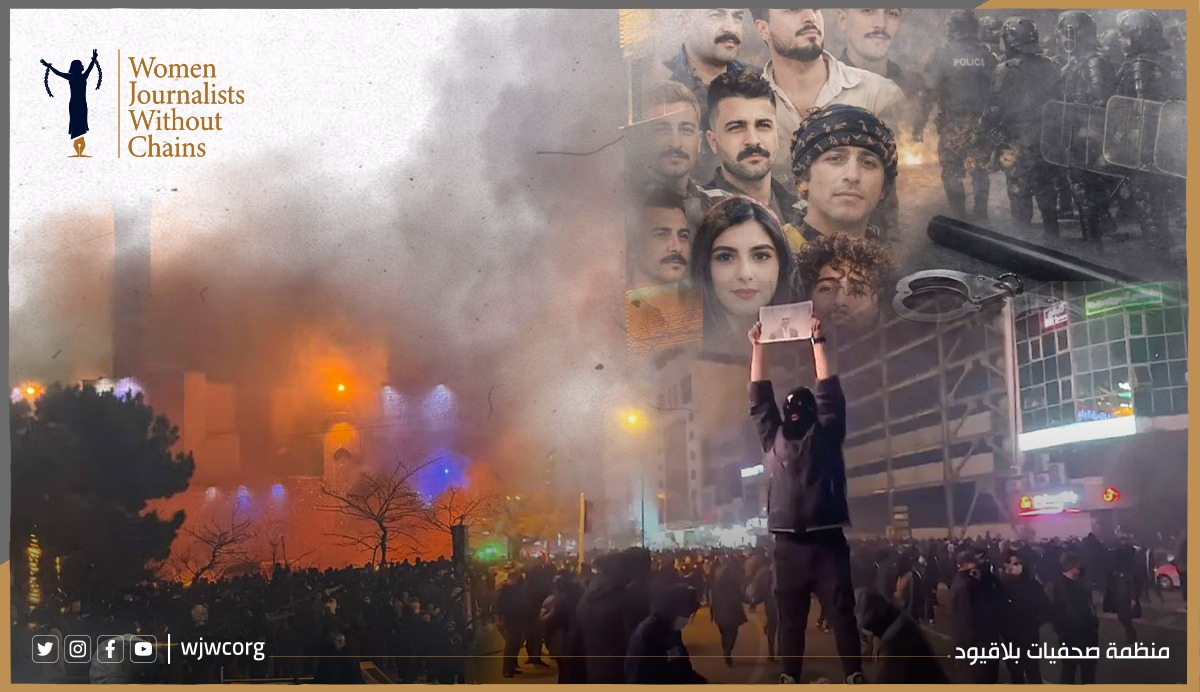
A grave and accelerating human rights catastrophe is unfolding across Iran. Over the past week, state security forces have unleashed an unprecedented campaign of lethal violence against peaceful demonstrators, transforming public streets, hospitals,
and detention facilities into sites of mass death. The scale, coordination, and brutality of these actions reflect not crowd control, but the systematic use of state power to crush civilian dissent through terror and bloodshed.
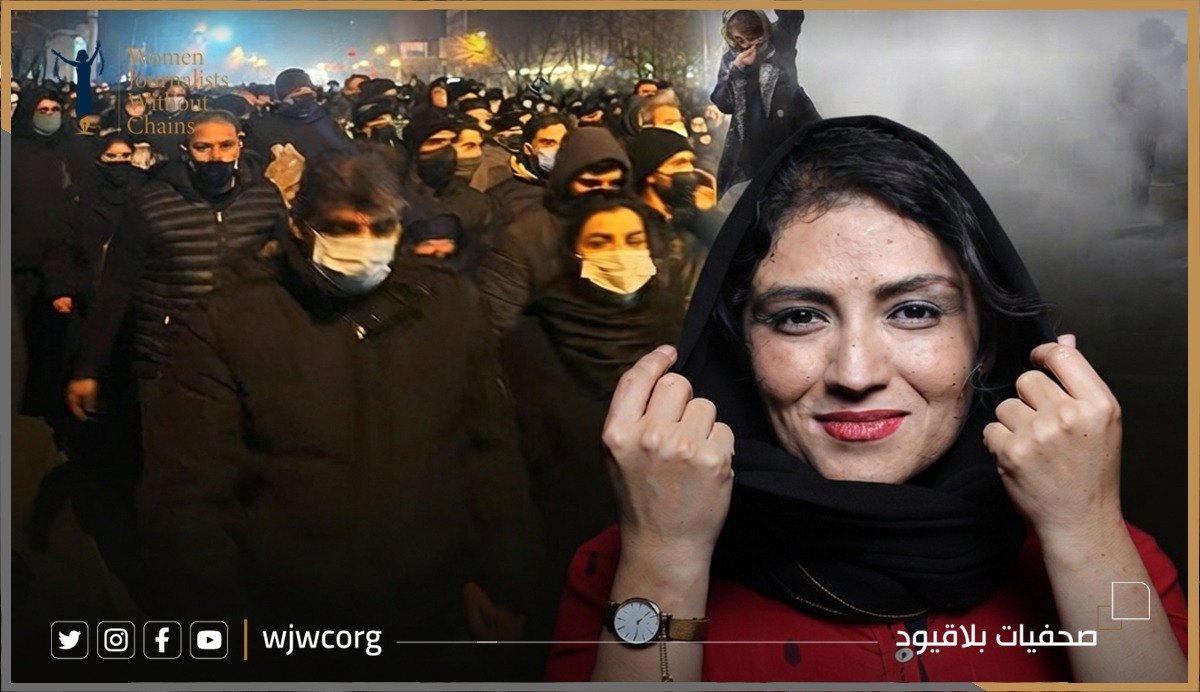
Verified field documentation confirms that since nationwide protests erupted on December 28, at least 648 civilians have been killed, including no fewer than nine children, according to credible human rights estimates. Thousands more have been wounded or detained, many incommunicado, following the imposition of a near-total digital blackout beginning January 8 — a deliberate strategy to conceal crimes and isolate victims from international protection.
The deadliest violence occurred on January 8 and 9, when security forces opened fire with live ammunition on unarmed protesters in Tehran, Karaj, Rasht, and the provinces of Ilam and Kermanshah. Eyewitness testimony and leaked footage from the Kahrizak Forensic Center, along with hospital records from Karaj and Rasht, reveal overwhelming evidence of mass extrajudicial killings. Witnesses at Kahrizak reported more than 400 bodies stacked in transport bags and moved by pickup trucks. Hospitals in Rasht received 70 bodies in a single day, while two hospitals in Karaj documented 80 corpses within the same period.
Survivors describe the events in harrowing terms. One protester stated:
"They fired directly into the crowd with Kalashnikov rifles. People fell where they stood. We faced a brutal regime with bare hands."
Another described the crackdown as “Judgment Day,” saying:
"They were killing and killing and killing — a one-sided war against people who were only chanting."
Nobel Peace Prize Laureate Tawakkol Karman warned that the use of live ammunition against unarmed civilians, the targeting of journalists and activists, and the imposition of a comprehensive information blackout together constitute crimes against humanity. She stressed that what is unfolding is not crowd dispersal but a systematic assault on the right to life rising to the level of international crimes, and that the internet shutdown amounts to collective punishment and a cover for mass killings reminiscent of the political executions of the 1980s.
Deep alarm is warranted over statements by Iran’s Attorney General labeling demonstrators as “mohareb” — a charge carrying the death penalty. This weaponization of the judiciary constitutes a serious breach of Article 14 of the International Covenant on Civil and Political Rights, reviving the architecture of political extermination that scarred Iran’s past.
These acts constitute grave violations of international law, including:
- Articles 19 and 21 of the International Covenant on Civil and Political Rights, guaranteeing freedom of expression and peaceful assembly;
- Article 3 of the Universal Declaration of Human Rights, affirming the right to life and security of person;
- The UN Basic Principles on the Use of Force and Firearms, which prohibit lethal force except as a last resort to prevent imminent threat.
Urgent Demands
The international community is urged to act without delay:
1. Immediately and unconditionally halt the use of live ammunition against civilians and guarantee the right to peaceful protest.
2. Establish an independent, international investigation mechanism under UN authority to examine reports of mass graves, hospital killings, and deaths in detention, and to prosecute those responsible.
3. Restore all internet and communication services immediately and end blackout policies designed to conceal state crimes.
4. Release all detainees connected to the protests, numbering more than 2,600, and guarantee protection from torture, enforced disappearance, and summary execution.
Silence now is complicity. Continued inaction will be interpreted as authorization to continue the physical elimination of dissent. An emergency session of the UN Human Rights Council must be convened, and a fact-finding mission established to ensure perpetrators do not escape accountability. Member states must apply maximum diplomatic pressure to end the killings, lift the information blockade, and halt all executions linked to the current protests.
The lives of thousands of Iranian civilians depend on immediate global intervention.
Released by:
Women Journalists Without Chains
January 13, 2026