 En
En  Ar
Ar Armed Clashes in Syria Escalate Risks to Journalists and Press Freedom
The recent surge in armed clashes across Syria has raised serious concerns over the protection of journalists, media workers, and the broader right to freedom of the press. In Aleppo,
fighting between government forces and armed groups operating outside the state framework has intensified both in urban neighborhoods and the surrounding countryside, suggesting a renewed escalation of violence that threatens civilians and media personnel alike.
Drone Strike on a Civilian Facility
On January 10, a drone targeted the Aleppo Governorate building while an official press conference was underway. The event was attended by Aleppo Governor Azzam al-Gharib, Minister of Information Hamza al-Mustafa, Minister of Social Affairs and Labor Hind Qabawat, and several local and international journalists. Syrian human rights sources identified the Syrian Democratic Forces (SDF) as responsible for the attack.
The targeting of a civilian building during a press event constitutes a grave breach of international humanitarian law, given that journalists and civilians were present. Such an act represents a direct threat to lives and is considered a war crime under applicable legal standards.
Attacks and Injuries to Journalists
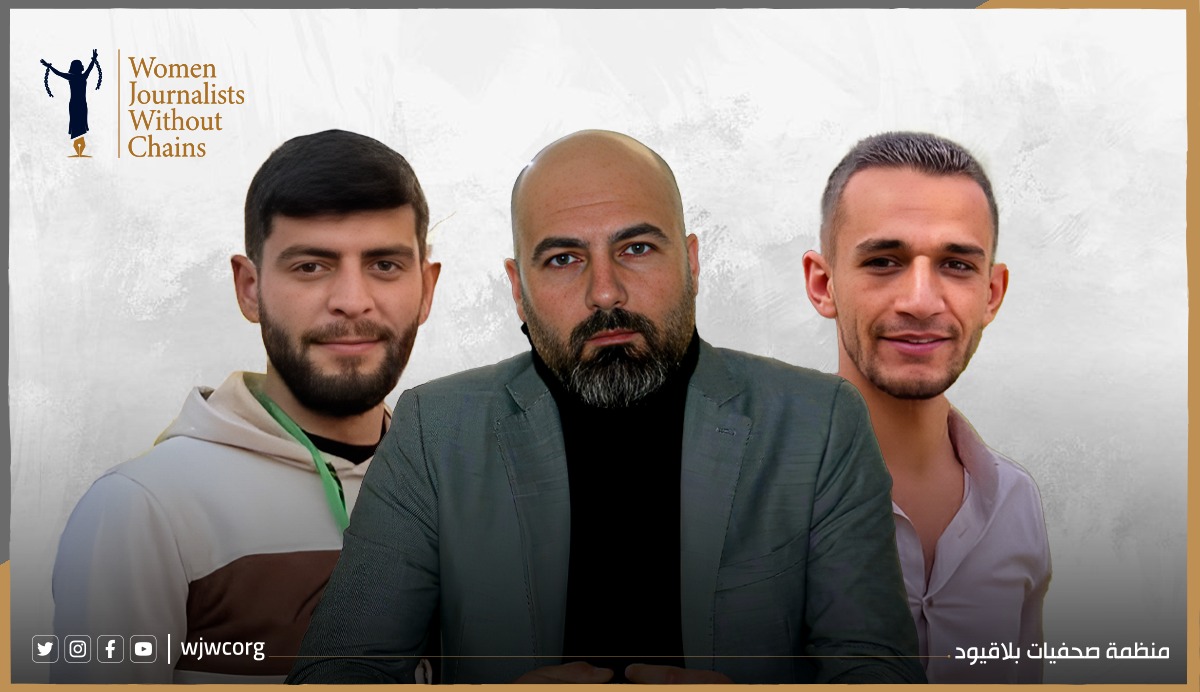
On January 8, journalists Ismail al-Kurdi and Diab al-Omari of the Aleppo Media Directorate were injured by mortar shelling in residential neighborhoods near Ashrafieh and Sheikh Maqsoud while carrying out their professional duties, according to official reports.
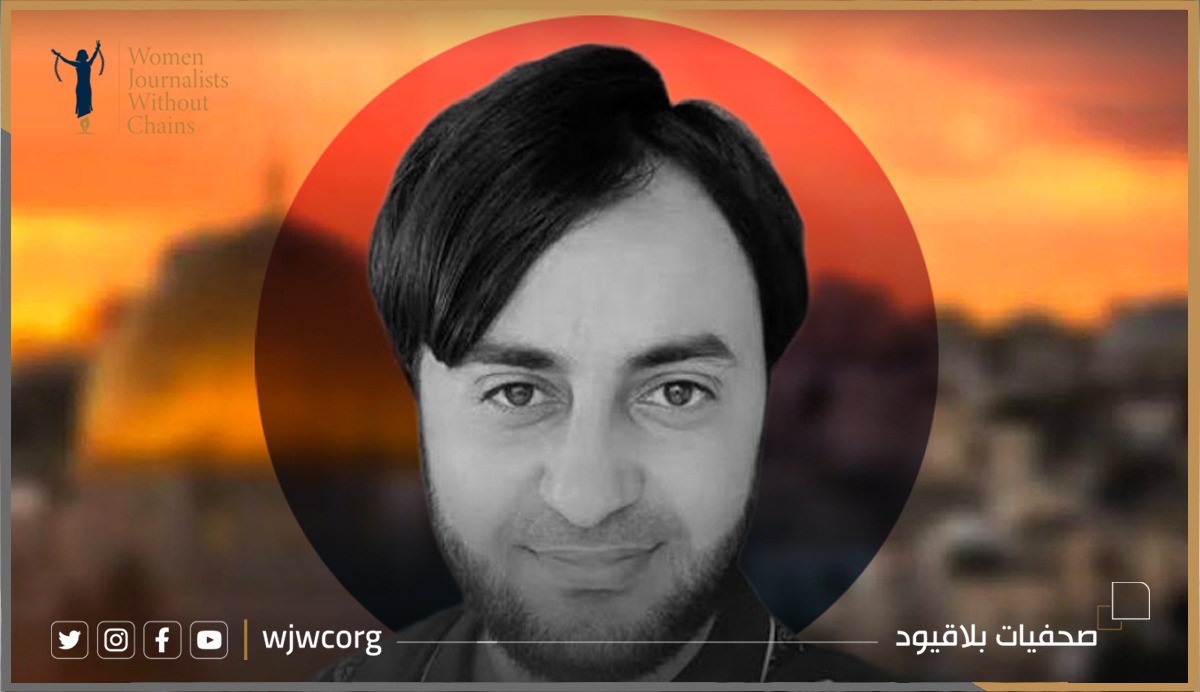
Earlier, on January 6, journalist and poet Murhaf al-Shaer was shot five times and abducted in al-Fursan Square in Suwaida, southern Syria. Sources indicate that Muhannad Mazhar, a commander in the so-called “National Guard” affiliated with Druze leader Hikmat al-Hijri, was responsible for the attack. Al-Shaer was reportedly threatened with execution while in detention but was released the same day due to swift intervention.
The incident followed the assassination of his brother Anwar on December 14, 2025, who was shot outside his home in Suwaida’s eastern countryside. The circumstances of Anwar’s killing remain unclear. Murhaf al-Shaer’s abduction appears linked to his political views, which oppose those of Hikmat al-Hijri, who rejects the new Syrian government and advocates for Suwaida’s independence. Reports suggest al-Hijri receives backing from Israeli authorities, a factor that has intensified local tensions.
Escalating Military Conflict
The military situation in Aleppo province remains volatile. Recent clashes between the Syrian army and SDF forces have resulted in dozens of deaths, injuries, and mass displacement. According to the Syrian Arab News Agency (SANA), fighting in Ashrafieh and Sheikh Maqsoud led to 24 fatalities, 129 injuries, and the displacement of approximately 165,000 people.
Field reports indicate that tensions are likely to escalate further following the Syrian army’s declaration of eastern Aleppo countryside areas as closed military zones and calls for armed groups to withdraw east of the Euphrates, while SDF reinforcements reportedly move toward Aleppo.
Historical Context and Widespread Violence
Syria has witnessed repeated cycles of violence against civilians and journalists. Last year, in Suwaida province, local clashes escalated into systematic attacks targeting homes and property, resulting in over 1,000 deaths among civilians, security forces, military personnel, and local armed factions.
Between January and August 2025, documented statistics show that more than 3,000 civilians were killed, including at least 450 children and women. March 2025 was particularly deadly, especially in the Tartus and Latakia governorates along the Syrian coast, where attacks by remnants of the Assad regime and subsequent security campaigns escalated into reprisals. These operations resulted in the deaths of more than 1,800 people, including 32 medical personnel.
A Grim Reality for Press Freedom
Syria continues to witness systematic violations against journalists, including murder, physical assault, arbitrary detention, harassment, and obstruction of reporting. In 2025 alone, notable cases included:
· The discovery of journalist Mohammed Khaiti’s body near Jiroud in the Qalamoun region (May).
· The killing of photographer Sari Majid al-Shoufi while covering local clashes in Suwaida.
· The sniper killing of Hassan al-Zoubi, director of the Daraa Governorate Media Office, during an official assignment.
· Attacks on seven journalists in Suwaida on May 4, and the detention and torture of female journalists by SDF forces.
· At least 13 arrests and detentions of local and foreign journalists throughout the year.
While violations have decreased compared to the period under Bashar al-Assad’s direct rule, the media environment remains extremely hazardous, particularly in conflict zones where multiple armed actors operate.
Patterns of Widespread Violence
The risks to journalists are compounded by the overall escalation of violence in Syria. In Suwaida province last year, local clashes evolved into large-scale violence targeting homes and property, resulting in over 1,000 deaths among civilians, security personnel, military members, and local armed factions. Between January and August 2025, over 3,000 civilians were reportedly killed, including at least 450 children and women. March alone saw particularly severe violence in the Tartus and Latakia governorates, following attacks by remnants of the Assad regime and subsequent security campaigns, resulting in more than 1,800 deaths, including 32 medical personnel.
Legal Obligations and Calls for Protection
International humanitarian law obliges all parties to protect civilians, including journalists and media workers, and to prevent attacks on non-combatants. Violations documented across Syria underscore the urgent need for accountability and enforcement of these protections.
Authorities are called upon to ensure a safe environment for journalistic work, guarantee protection for media personnel, and hold perpetrators accountable, thereby preventing impunity. Upholding press freedom and the right to access information remains a critical pillar for stability, transparency, and the rule of law in Syria.
Released by:
Women Journalists Without Chains
January 14, 2026