 En
En  Ar
Ar Lebanon’s Frontline Journalists Killed Amid Israeli Escalation
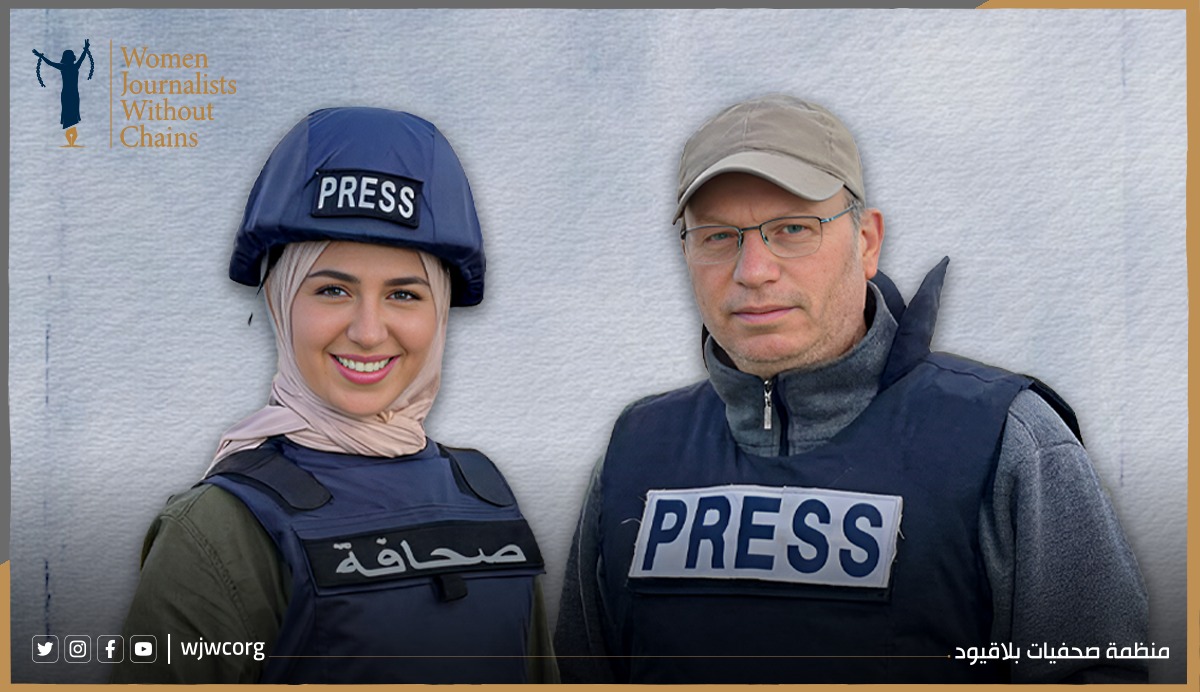
March 29, 2026 – Lebanon - Women Journalists Without Chains has strongly condemned the killing of three journalists in southern Lebanon, describing the incident as part of a systematic pattern of targeting media professionals amid ongoing regional escalation.
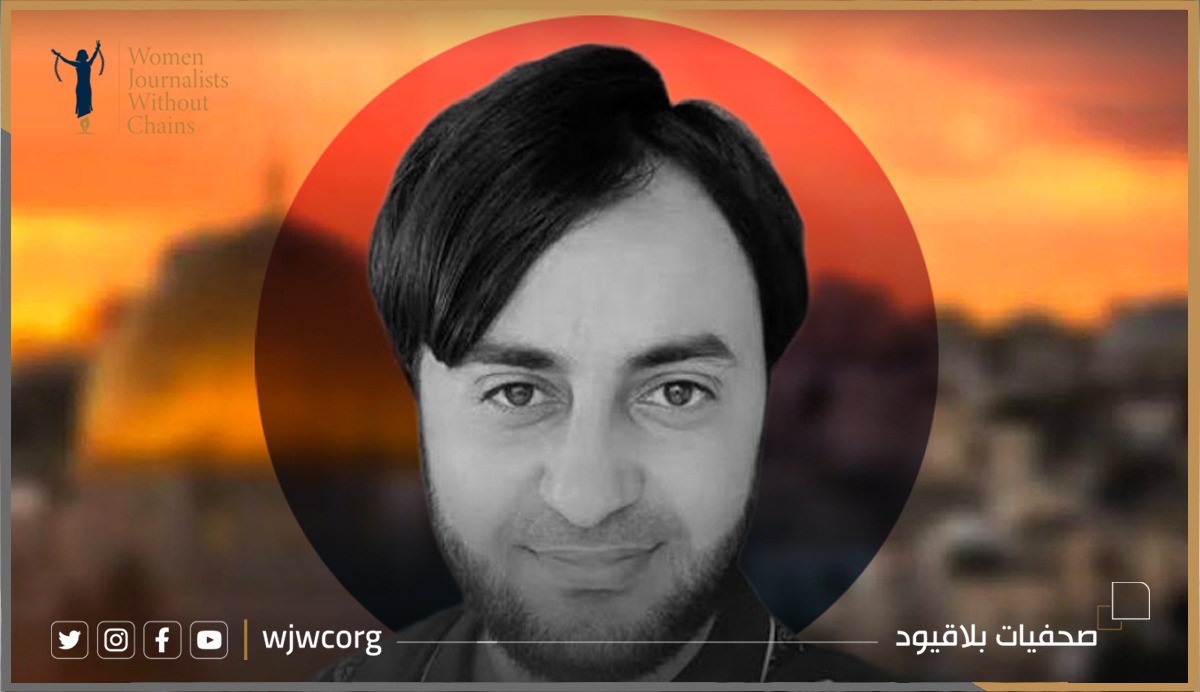
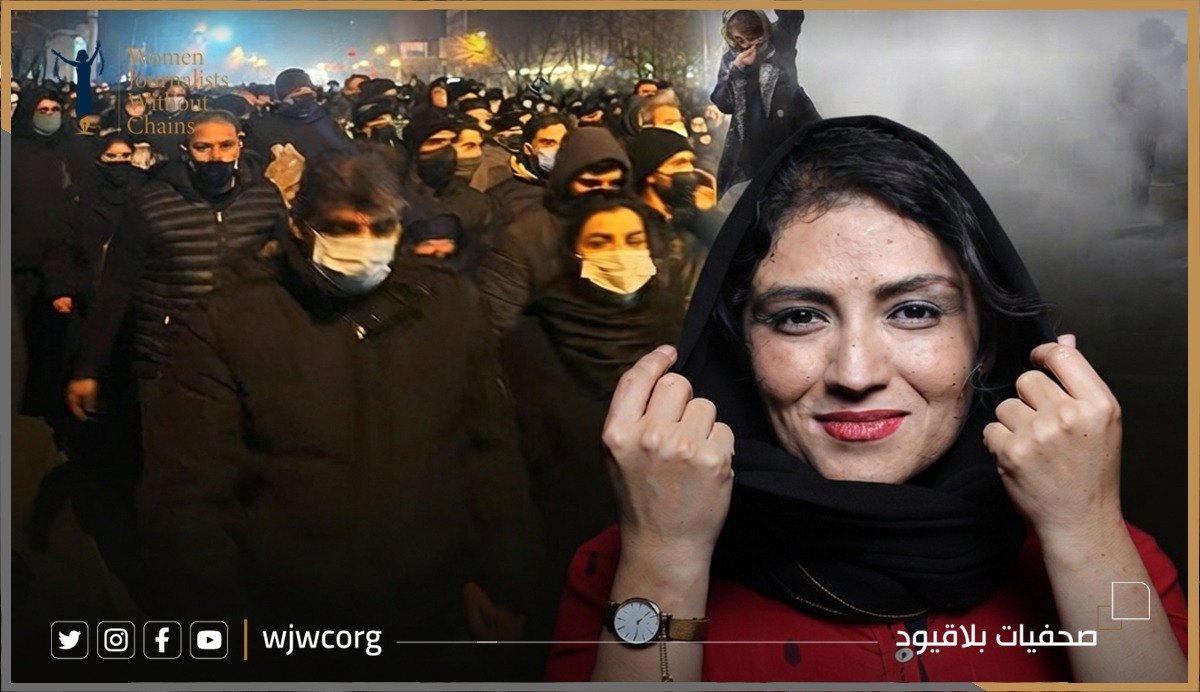
According to available information, an Israeli airstrike struck a civilian vehicle near the city of Jezzine on March 28, killing Fatima Ftouni, a correspondent for Al Mayadeen, her brother, photographer Mohammed Ftouni, and Ali Shuaib, a correspondent for Al Manar, while they were on their way to cover developments in the field.
In its statement, Women Journalists Without Chains described the Israeli attack as part of a deliberate effort to silence the media and obstruct the flow of information from conflict zones. Such actions, it stressed, constitute clear violations of international humanitarian law, including protections afforded to journalists under the Geneva Conventions and their Additional Protocols, as well as United Nations Security Council Resolution 1738 (2006), which calls for the protection of journalists in armed conflict.
Recent incidents further indicate that the attack is not isolated. A series of Israeli violations targeting journalists in Lebanon has been documented in recent days, including the killing of media professionals and civilian casualties among their family members in separate airstrikes. These developments point to a sustained pattern of attacks affecting both journalists and media institutions.
Journalists across both Palestine and Lebanon continue to operate under increasingly dangerous conditions. Since October 2023, media workers have faced widespread violence, forced displacement, and severe restrictions on access, including continued limitations on the entry of international journalists into the Gaza Strip.
Available data underscores the scale of these risks: Israel has killed hundreds of journalists in Gaza, along with many of their family members. In Lebanon, at least 17 journalists have been killed and dozens injured amid ongoing hostilities, highlighting the unprecedented dangers facing the profession.
The broader military escalation in Lebanon has intensified since early March 2026, resulting in significant civilian casualties and the displacement of hundreds of thousands of people, amid continued airstrikes and expanding military operations.
Women Journalists Without Chains warned that ongoing attacks on civilian areas, including the targeting of journalists, represent a serious breach of the principles of distinction and proportionality under international law, as well as an assault on Lebanon’s sovereignty.
The organization called on the United Nations, the international community, and relevant bodies concerned with press freedom to take urgent action to ensure the protection of journalists and to initiate independent international investigations aimed at holding those responsible accountable.
Ensuring the safety of journalists and enabling them to work freely remains essential to safeguarding the public’s right to information and exposing violations in times of conflict.