 En
En  Ar
Ar Palestine: Lama Khater’s Arrest Highlights Escalating Assault on Press Freedom
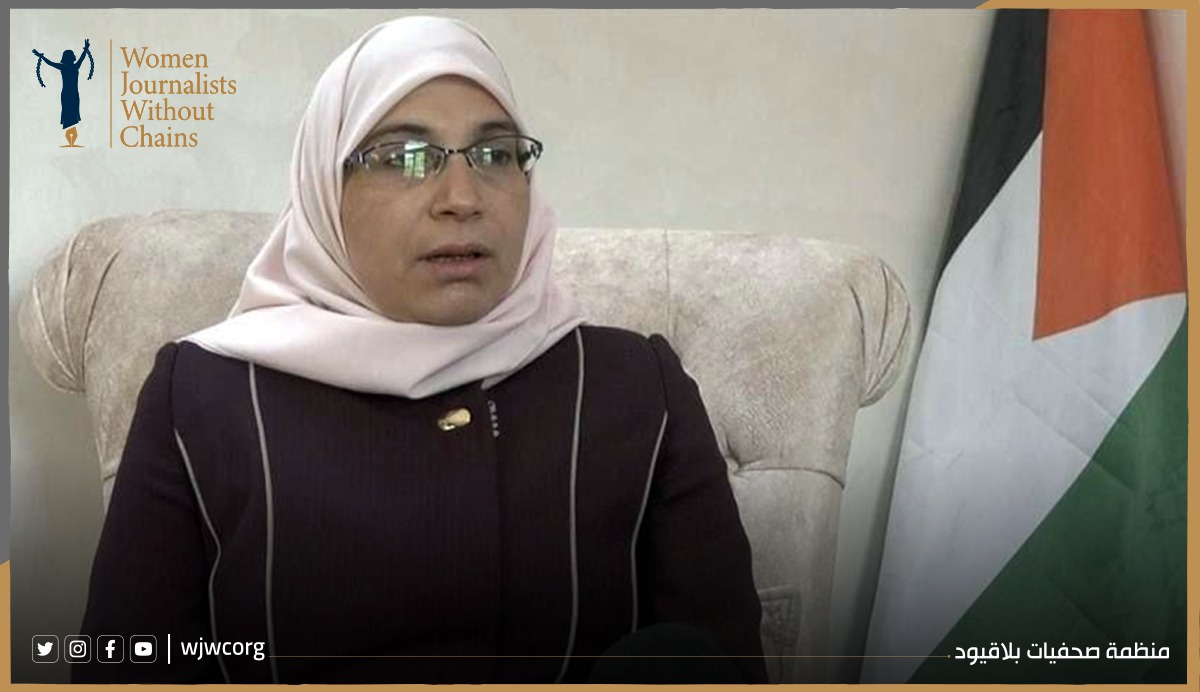
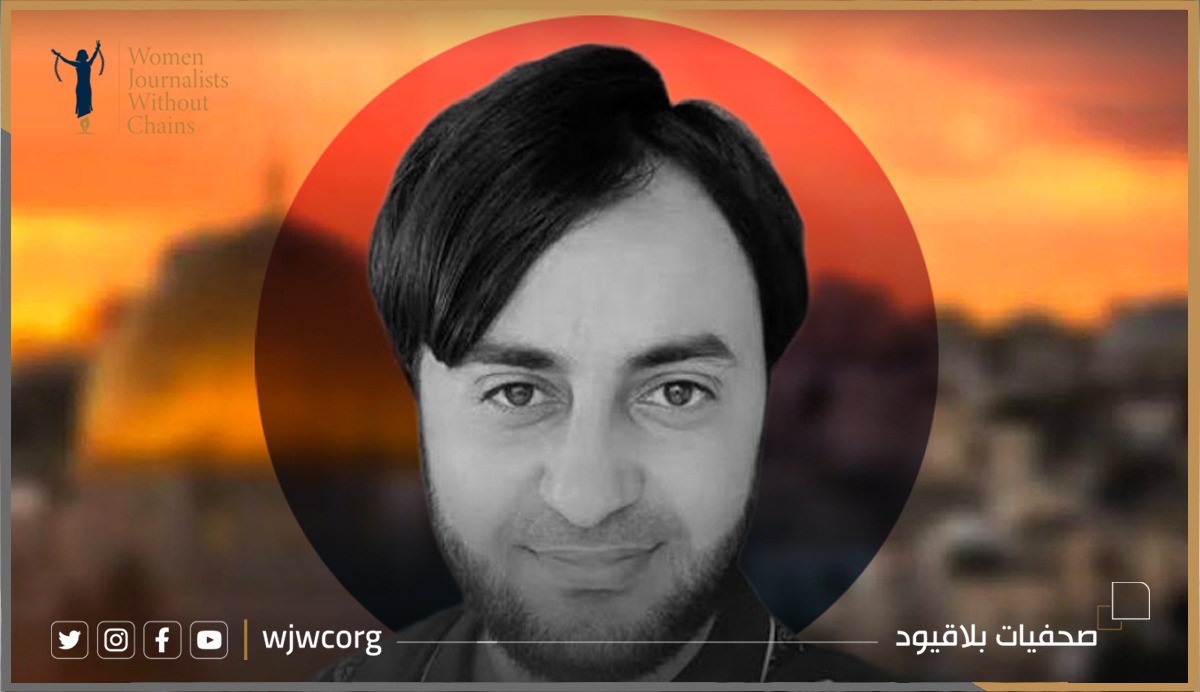
Geneva – March 27, 2026 – Israeli forces arrested Palestinian journalist and writer Lama Khater during a raid on her home in the occupied West Bank on March 23, raising concerns over the targeting of media professionals and the shrinking space for free expression.
Israeli forces entered Khater’s residence, searched the premises, and detained her without publicly disclosed charges at the time of writing. The absence of clarity regarding the legal basis for her arrest has heightened concerns about due process and the protection of journalists under international law.
Khater, a prominent writer and commentator, has previously been detained and subjected to repeated harassment linked to her public expression. Her latest arrest reflects a broader pattern affecting journalists and individuals engaged in public discourse across the West Bank.
The detention also comes amid a charged political environment in which journalists face increasing pressure. Public criticism and incitement by figures linked to the Palestinian Authority accompanied the arrest, while similar pressures have affected members of Khater’s family, including her husband, a former detainee. These overlapping dynamics underscore the complex risks facing journalists operating in the territory.
Broader Pattern of Restrictions
The arrest of Khater is part of a wider escalation in measures targeting media activity. Since the beginning of 2026, dozens of incidents involving journalists have been documented, including arrests, physical assaults, movement restrictions, and the confiscation of equipment.
Journalists are frequently prevented from covering developments on the ground, particularly in areas experiencing heightened security operations. In several cases, security forces have used tear gas and stun grenades to disperse media crews. Additional restrictions have limited access to key locations, including Jerusalem and religious sites such as Al-Aqsa Mosque.
Attacks by Israeli settlers against journalists during field reporting have also been recorded, contributing to a climate of intimidation that discourages independent coverage.
Restrictions extend beyond field operations. On February 23, Israeli Defense Minister Yisrael Katz signed an order banning several Palestinian media platforms under the so-called “Anti-Terror Law.” The move further constrains the already limited space for independent media and raises concerns about the criminalization of journalistic and cultural expression.
These developments are unfolding alongside settlement expansion, land confiscation, and home demolitions—processes that are becoming increasingly difficult to document as access for journalists is restricted.
Impact on Media in Gaza
The situation in Gaza reflects an even more severe environment for media work. At least 260 journalists and media workers have been killed since October 7, 2023, including individuals killed alongside their families.
Access to Gaza remains heavily restricted for international and independent journalists, limiting the ability to verify information and report from within the territory. The resulting lack of independent coverage has significant implications for transparency and accountability.
According to the Palestinian Ministry of Health in Gaza, the reported death toll as of March 26, 2026, has reached 72,267. Many victims remain under rubble or in areas inaccessible to emergency responders due to ongoing hostilities and shortages of equipment and medical supplies.
Legal Assessment and Organizational Position
Women Journalists Without Chains considers the arrest of Lama Khater part of a pattern that raises serious concerns under international human rights and humanitarian law. Freedom of expression, including the right to seek, receive, and impart information, is protected under Article 19 of the International Covenant on Civil and Political Rights.
The Fourth Geneva Convention also provides protections for civilians in occupied territories. Measures targeting journalists—particularly those that impede documentation and reporting—risk undermining these protections and limiting public access to information.
When such practices become widespread or systematic, they may warrant further scrutiny under international accountability mechanisms. The cumulative effect of arrests, access restrictions, and media bans threatens to erode the role of journalism as a safeguard for transparency and public accountability.
Call for International Action
Women Journalists Without Chains calls on the international community, including the United Nations and relevant human rights bodies, to take urgent steps to address ongoing violations against journalists in Palestinian territories.
It urges the immediate and unconditional release of Lama Khater and all individuals detained in connection with their journalistic work, and calls for independent, transparent investigations into violations against media professionals.
The organization also stresses the need to guarantee safe and unimpeded access for journalists and to lift restrictions that hinder media coverage, including access to Gaza.
Sustained international pressure, it concludes, is essential to ensure accountability and to prevent further violations. Protecting journalists remains central to safeguarding the public’s right to information, particularly in situations of conflict where independent reporting is critical to documenting events and informing the international community.