 En
En  Ar
Ar 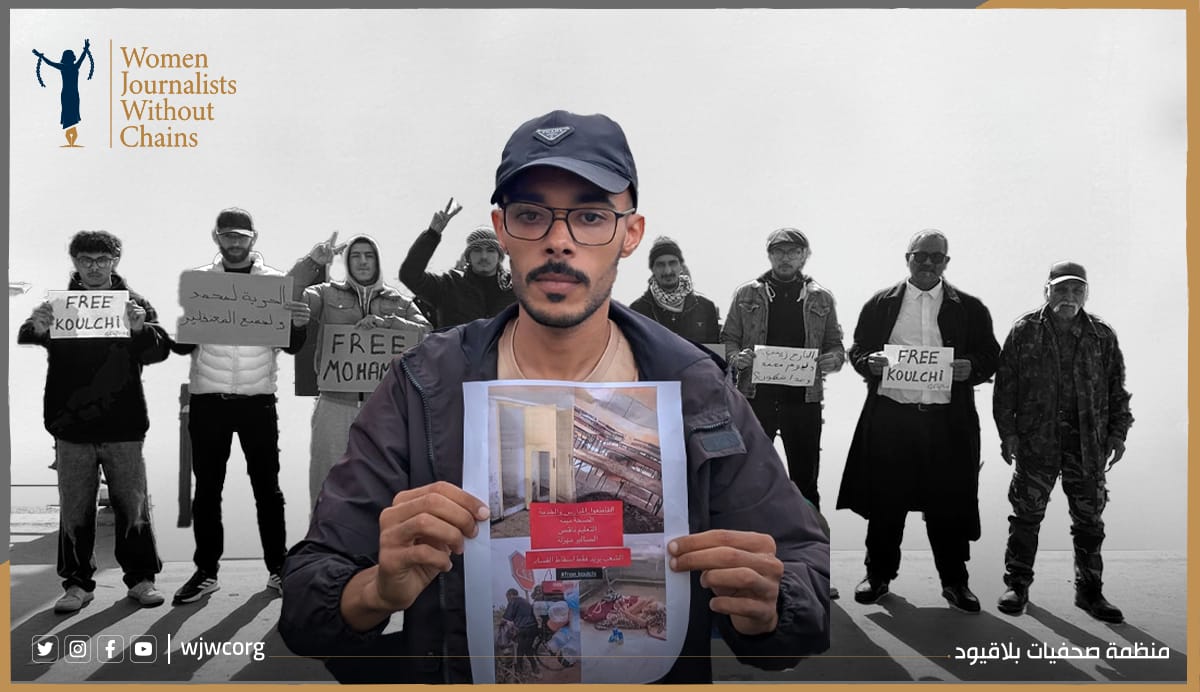
Authorities in Morocco have intensified arrests and prosecutions of young activists, imposing severe prison sentences and pursuing charges that directly affect the rights to freedom of expression and peaceful assembly.
The pattern of recent actions raises serious concerns about the increasing use of criminal law in response to peaceful civic engagement and dissent.
Between February 1 and 15, 2026, a series of arrests took place in Casablanca, Marrakesh, and Tiznit, targeting young individuals associated with what have been described as “Gen Z” protests. On February 17, activist Mohamed Khalif was arrested in Casablanca and prosecuted in detention on charges of “insulting sacred values.” His trial is scheduled for February 26. On February 13, activist Zineb El Khroubi was detained upon arrival at Marrakesh Menara Airport from France. Although she was later released, authorities are pursuing charges of “incitement to commit misdemeanors online,” and proceedings remain pending before the Ain Sebaa Court of First Instance.
In a separate development, the Marrakesh Court of Appeal recently sentenced 48 individuals to prison terms ranging from four years and six months to six years in connection with youth protests in the Sidi Youssef Ben Ali district. The scale of these prosecutions and the severity of the sentences raise serious questions regarding compliance with fair trial guarantees, including the right to individualized proceedings, adequate time and facilities to prepare a defense, and access to legal counsel.
Morocco, a State Party to the International Covenant on Civil and Political Rights since 1979, is legally bound to respect and protect the rights to freedom of expression, peaceful assembly, and fair trial. While these rights may be subject to limited restrictions under international law, any such measures must meet strict tests of legality, necessity, and proportionality. The use of broadly framed charges such as “insulting sacred values” or “online incitement” against individuals engaged in peaceful activism risks falling short of these standards and may have a chilling effect on legitimate public debate.
Resorting to security-based responses to social and economic grievances—particularly in the context of the fifteenth anniversary of the February 20 Movement—risks deepening public mistrust and exacerbating social tensions. Protecting space for peaceful expression and assembly is essential to maintaining social stability and ensuring meaningful civic participation.
Authorities should immediately review the cases of all individuals detained or prosecuted in connection with peaceful protest or expression, ensure full compliance with fair trial standards, and refrain from pursuing charges that criminalize legitimate civic activity. Judicial authorities must guarantee that all defendants have prompt and unrestricted access to legal representation and that proceedings are conducted in accordance with international due process standards.
The international community, including relevant United Nations human rights mechanisms, should closely monitor these developments and engage constructively with Moroccan authorities to ensure full adherence to treaty obligations and the protection of fundamental freedoms.
Freedom of expression and peaceful assembly are foundational rights in any society governed by the rule of law. Their protection remains essential to safeguarding human dignity, accountability, and inclusive reform.
Released by:
Women Journalists Without Chains
February 25, 2026