 En
En  Ar
Ar 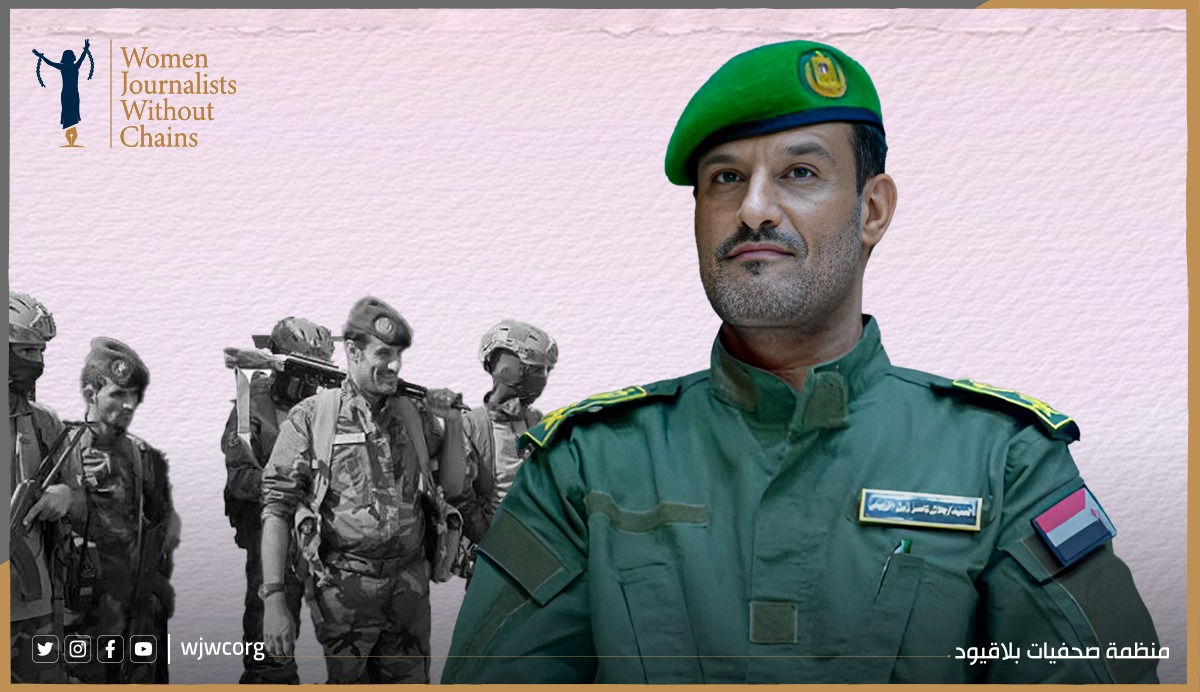
Grave concern arises over the continued appointment and reassignment of security leaders in Aden who face credible evidence of serious human rights violations. Authorities continue these decisions without conducting independent,
transparent, and impartial judicial investigations. Proceeding despite the gravity of the documented abuses and their potential qualification as serious crimes under international law reinforces a pattern of impunity and undermines the rule of law.
On 23 February 2026, the Minister of Interior, Major General Ibrahim Haidan, issued a decision appointing Brigadier General Jalal Nasser Zain al-Rubaie as Commander of the Special Security Forces in Aden. This appointment was made notwithstanding documented and widely reported charges implicating al-Rubaie in grave violations during his previous tenure as head of the Security Belt Forces in Aden.
Credible human rights reports link al-Rubaie to acts including abduction, enforced disappearance, the operation of unlawful detention facilities, torture, deaths of detainees under torture, and the suppression of peaceful assemblies. These grave violations demand prompt, thorough, and impartial investigation in accordance with Yemen’s obligations under international human rights law.
Appointing an official under serious suspicion of committing grave abuses, without first conducting an effective judicial inquiry and ensuring rigorous human rights vetting, does more than create an administrative lapse. Such a decision breaches Yemen’s binding obligations under international instruments, including the International Covenant on Civil and Political Rights and the Convention Against Torture. These treaties impose clear duties: investigate violations, hold perpetrators accountable, provide redress to victims, and prevent recurrence.
Failure to investigate credible reports or decisions that shield suspects from scrutiny violates international law. Such conduct engages the State’s international responsibility and invites scrutiny under United Nations mechanisms and other accountability frameworks. It also contradicts official claims of security sector reform and commitments to human rights protection.
The continued recycling of officials implicated in serious abuses, while the fate of forcibly disappeared persons remains undisclosed and unlawful detention facilities reportedly remain in operation, sends a deeply troubling message to victims and their families. It signals disregard for their right to truth, justice, reparation, and guarantees of non-repetition. Transfers, promotions, or institutional restructuring cannot extinguish individual criminal responsibility for torture, enforced disappearance, or extrajudicial killings, nor do such crimes lapse with time.
Reform of the security sector cannot be reduced to changes in titles, structures, or chains of command. Any restructuring process that is not preceded by independent investigations, strict human rights vetting, and meaningful accountability measures risks amounting to institutional evasion. Such approaches erode public confidence, weaken the legitimacy of state institutions, and entrench a culture of impunity.
The organization calls on Yemeni authorities to immediately suspend the recent appointment and initiate an independent, impartial, and transparent judicial investigation into all grave violations attributed to Brigadier General Jalal Nasser Zain al-Rubaie and other security officials. Authorities must publish the findings of these investigations and prosecute all responsible individuals in accordance with the law and international standards of due process.
The authorities must also take urgent steps to disclose the fate and whereabouts of all forcibly disappeared persons, close any unlawful detention facilities, ensure access to justice and effective remedies for victims, and implement comprehensive safeguards to prevent recurrence.
Restoring confidence in security institutions in Aden and beyond requires a genuine break with the cycle of impunity. Upholding the rule of law demands that no official—regardless of rank or position—be placed above accountability, and that justice be treated as a binding legal obligation rather than a matter of political discretion.
Released by
Women Journalists Without Chains
February 26, 2026