 En
En  Ar
Ar 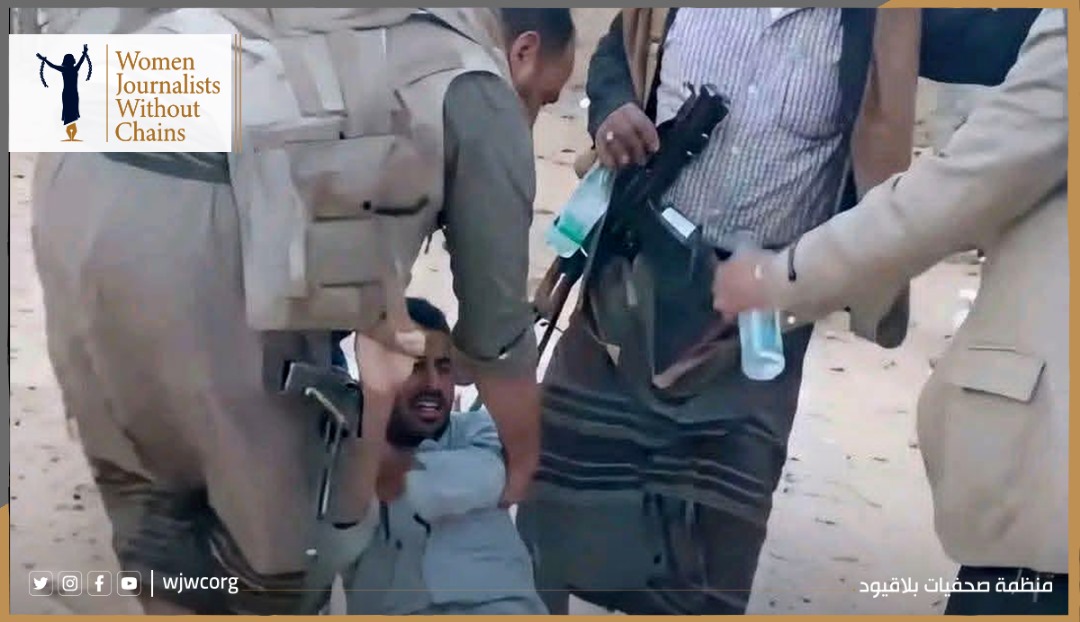
A fatal act of tribal retribution in Yemen’s Shabwa Governorate has drawn sharp condemnation from human rights advocates and widespread public outrage, with rights groups warning that the incident reflects a dangerous erosion of the rule of law and a growing reliance on violence outside judicial authority.
The killing of Amin Nasser Bahaj, which occurred in Habban District, has been described as a stark illustration of the weakness of state institutions tasked with protecting life and enforcing justice, and as a serious breach of the state’s exclusive constitutional responsibility to investigate crimes and adjudicate disputes through its courts.
According to documentation gathered by Women Journalists Without Chains’ field team, the events unfolded on the morning of Wednesday, December 10, 2025, in Wadi Habban, following a land ownership dispute between Amin Nasser Bahaj and Basel al-Marwah al-Babakri that resulted in the latter’s death. Instead of being transferred to law-enforcement authorities, the alleged perpetrator was handed over by his family to the victim’s relatives and executed within hours—an unequivocal act of extrajudicial killing carried out without arrest, investigation, or judicial process.
Women Journalists Without Chains said the killing constitutes a grave violation of the right to life and a direct denial of due process. By entirely bypassing the judiciary, those responsible not only stripped the victim of fundamental legal safeguards but also usurped the state’s exclusive authority to administer justice and uphold the rule of law.
The organization noted that video footage of the killing, widely circulated on social media, is profoundly disturbing and highlights the acute dangers faced by civilians in areas where the rule of law has collapsed. It warned that such incidents deepen public fear, normalize unlawful violence, and pose a serious threat to social cohesion and stability.
Under Yemen’s Penal Code (Law No. 12 of 1994, as amended), intentional killing is a grave criminal offense subject to investigation, prosecution, and adjudication exclusively by competent judicial authorities. The law provides no legal basis for retribution outside the courts, and any killing carried out under the pretext of tribal retaliation constitutes an independent criminal act, regardless of local customs or practices.
The organization further noted that international law reinforces these safeguards. Article 6 of the International Covenant on Civil and Political Rights guarantees the inherent right to life, while Article 14 affirms the right to a fair and public hearing before an independent and impartial tribunal. Acts of extrajudicial retribution violate both rights simultaneously, erode public order, and undermine legal accountability and state authority.
Women Journalists Without Chains called on local authorities and the Yemeni judiciary to open an immediate and credible investigation into the killing, ensure accountability for all those involved, and take urgent measures to protect civilians from tribal violence. It warned that failure to act would signal tacit acceptance of extrajudicial killings and further weaken public trust in state institutions.
The organization also urged the international community and human rights bodies to intensify pressure on Yemeni authorities to uphold the rule of law, end retaliatory practices outside the judicial system, and strengthen protections for fundamental rights.
It cautioned that continued state inaction risks entrenching a dangerous culture of so-called “self-justice,” pushing communities into recurring cycles of revenge that erode security and stability and place the most basic rights of civilians at serious risk.
Author’s Posts
-
Oman: Sweeping Cybercrime Law Criminalizes Expression, Journalism, and Digital Assembly
Jun 23, 2026
-
WJWC Condemns Killing of Palestinian Journalist Ahmed Washah
Yemen: Arbitrary Detention of Lawyer Sabra and Retaliatory Threats Against Family Members
Jun 20, 2026
-
Egypt: Death of Mohamed Sayed Abdelrahim Thrusts Prison Fatalities Crisis Back into the Spotlight
Jun 18, 2026
-
Algeria: Four-Year Prison Sentence of Latifa Dib Condemned as Criminalization of Free Speech
Related Articles