 En
En  Ar
Ar 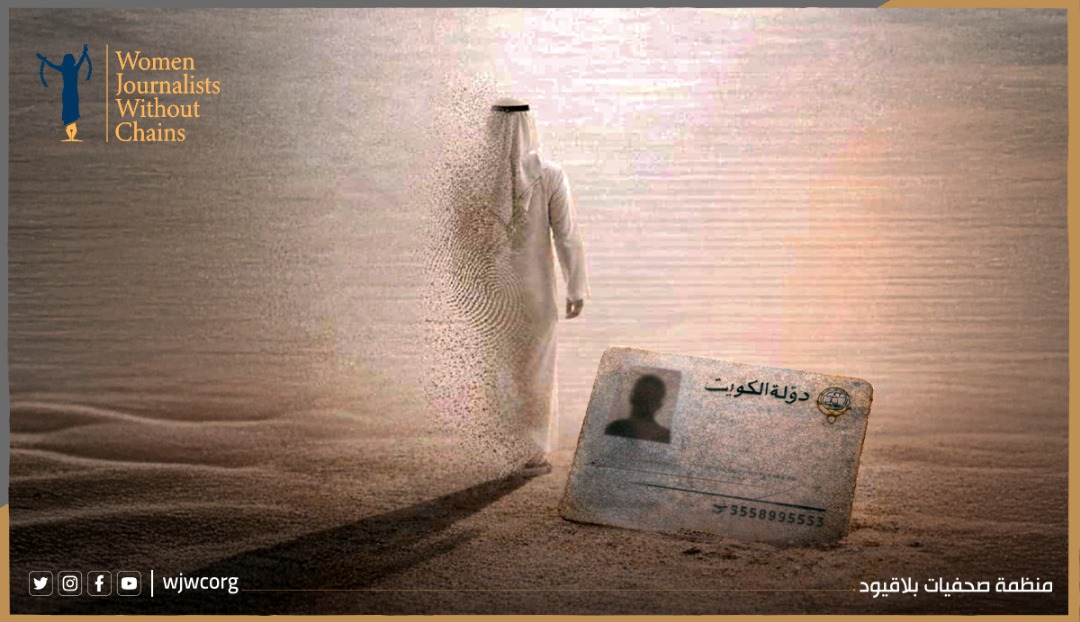
Since early 2024, Kuwait has been facing an unprecedented crisis of identity and citizenship following a sweeping campaign of nationality revocations and withdrawals that, by August 2025, had affected more than 50,000 individuals — approximately 3.33 percent of the country’s total citizen population of 1.5 million.
These alarming figures have ignited nationwide concern over the future of citizenship, social cohesion, and political stability in the country.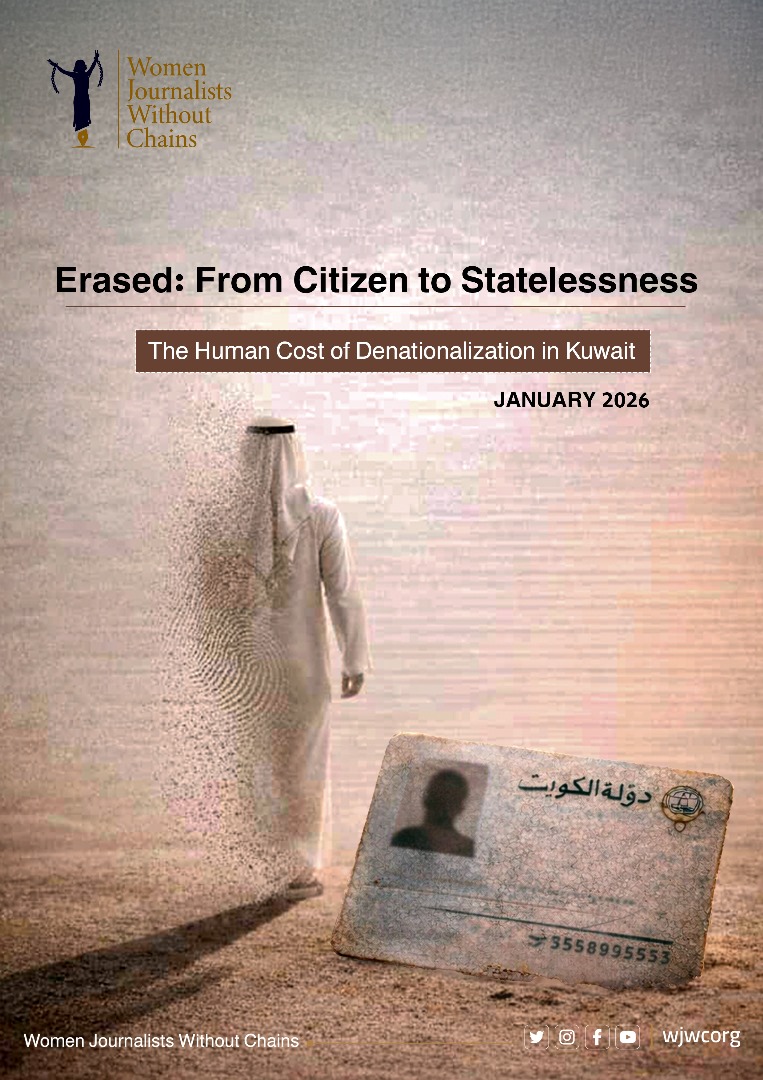
The crisis began after the dissolution of the National Assembly and the suspension of key constitutional provisions in May 2024, a move that enabled the executive authority to enact amendments to the Nationality Law through decrees, absent parliamentary oversight or public debate. These amendments granted the Ministry of Interior and the Supreme Committee for Nationality Verification sweeping powers, opening the door to collective and unprecedented measures.
Severe Demographic Disruptions
The revocation decisions were not confined to specific individuals; they extended to children and grandchildren, instantly transforming thousands of families into cases of statelessness. This reality has effectively reproduced — and expanded — Kuwait’s long-standing “Bidoon” crisis, in what observers have described as the manufacture of “new Bidoon.”
Even more alarming, some decisions were applied retroactively, designating individuals as having lost their nationality decades earlier, thereby erasing entire generations from the civil registry.
Women constituted a significant proportion of those affected, particularly those who had acquired nationality through marriage following the repeal of Article 8 of the Nationality Law. The retroactive enforcement of this repeal stripped thousands of women — including mothers of Kuwaiti citizens — of their basic rights.
Children have been among the gravest victims: many were denied education and healthcare, dismissed from public schools, and deprived of state scholarships, in clear violation of fundamental child-rights protections.
Absence of Judicial Oversight and the Weaponization of Citizenship
One of the most dangerous dimensions of the crisis lies in shielding revocation decisions from judicial review under the doctrine of “acts of sovereignty,” leaving those affected without any effective legal remedy.
The administrative committee established in 2025 to review grievances has produced no tangible results. Meanwhile, citizenship has increasingly been deployed as a tool of political punishment against dissidents, activists, and public figures — a direct assault on freedoms of expression and political participation.
The humanitarian consequences of these measures have been described as amounting to “civil death.” Victims lose their civil IDs immediately; bank accounts are frozen; employment is terminated; access to healthcare and basic services is denied. Many have been driven into financial ruin and social isolation, while living under constant fear of arrest or deportation.
Human Rights Warnings and Urgent Appeals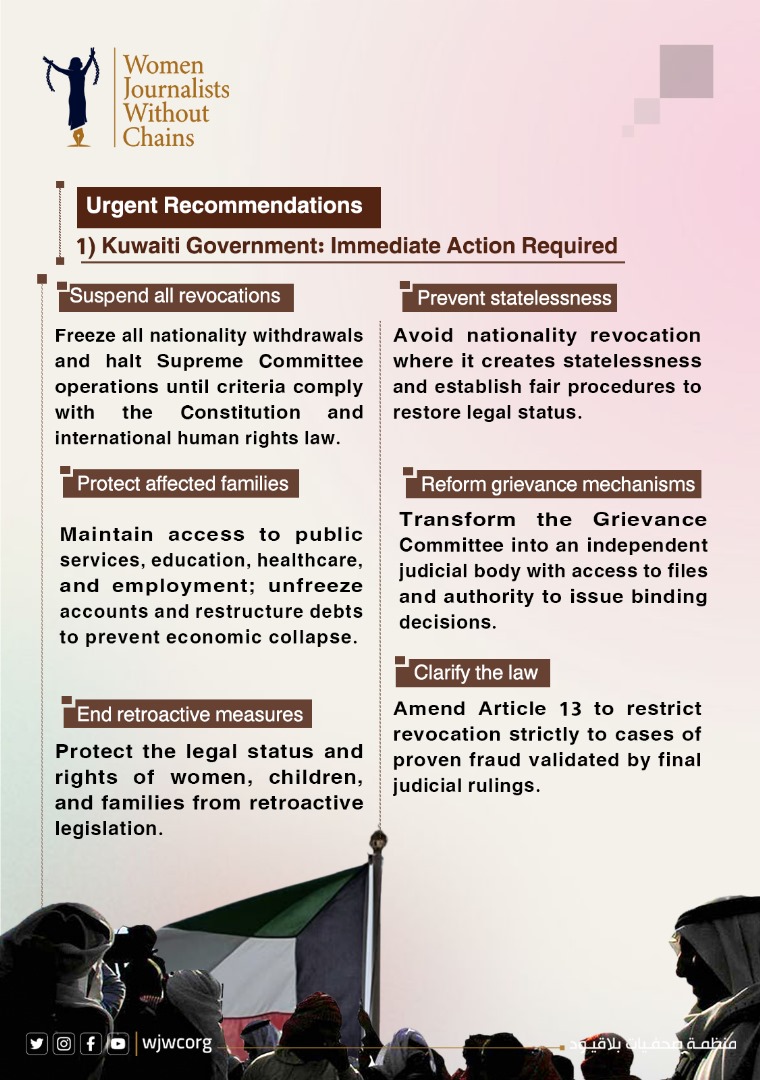
Against this backdrop, Women Journalists Without Chains has warned that what is unfolding constitutes one of the gravest citizenship crises in Kuwait’s modern history. The organization has documented the legal and humanitarian dimensions of the crisis and cautioned that the continuation of these policies threatens the very foundations of citizenship and social stability in the country.
The organization concluded its report with urgent recommendations, including:
• An immediate halt to collective nationality revocations.
• Prohibition of retroactive enforcement and protection of acquired legal status.
• Guarantees against the creation of statelessness.
• Subjecting all revocation decisions to independent judicial review.
• An urgent call for the international community and UN mechanisms to intervene to protect those affected.
To read more, click the link here