 En
En  Ar
Ar Israeli Restrictions at Rafah Crossing Block Patients and Deepen Gaza’s Humanitarian Crisis
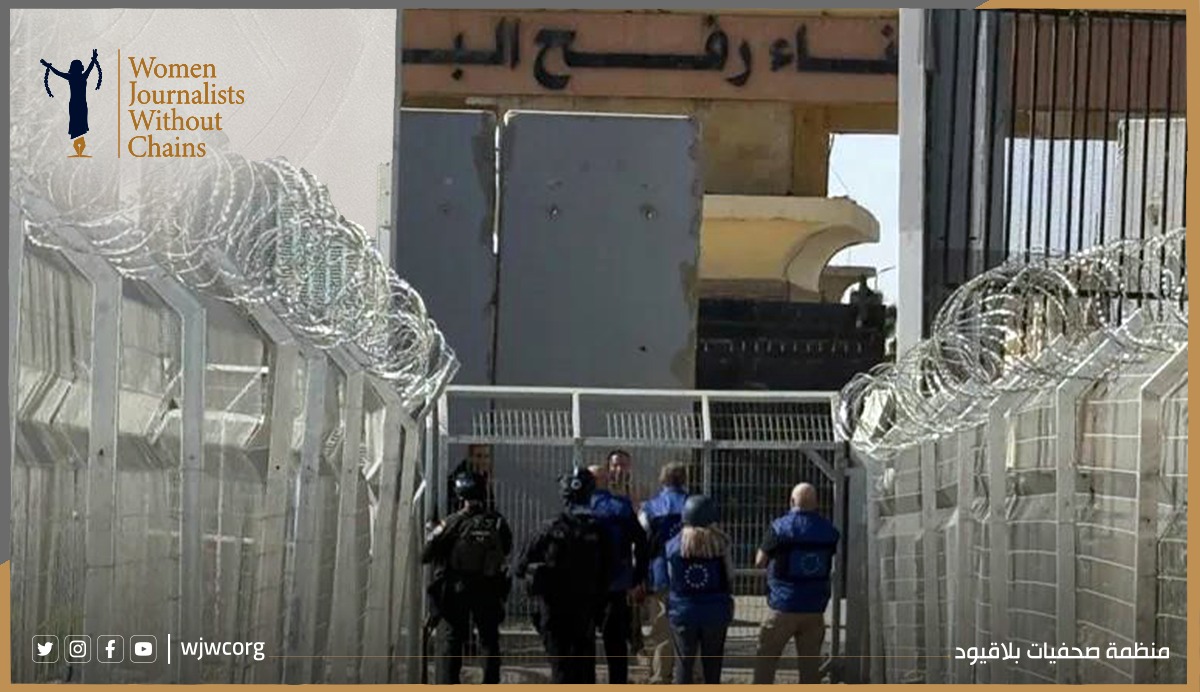
Severe restrictions imposed by Israeli authorities at the Rafah border crossing between Gaza and Egypt have disrupted the travel of dozens of Palestinians in urgent need of medical care, further aggravating the humanitarian crisis in the besieged enclave.
According to media reports, only five patients accompanied by relatives were permitted to cross into Egypt, despite prior arrangements for 50 individuals to travel for life‑saving treatment. On the return side, just 12 Palestinians were allowed back into Gaza, while 38 others were denied passage after security checks and forced to remain overnight on the Egyptian side. In total, only 27 people were able to cross in or out, far fewer than the agreed numbers, leaving the majority stranded without access to essential healthcare.
Human rights monitors documented additional violations against those returning, including the arrest of three women, prolonged handcuffing, and detention by armed groups linked to the occupation before lengthy interrogations. Travelers were also forced through wire‑fenced corridors under surveillance and separate gates, one nominally under Palestinian Authority oversight but remotely controlled by Israel.
These practices, legal experts note, amount to elements of apartheid under international law, breaching the International Convention on the Elimination of All Forms of Racial Discrimination and the Rome Statute of the International Criminal Court, which defines apartheid as a crime against humanity.
The restrictions come amid Israel’s continued control over more than half of Gaza’s territory, where over two million Palestinians remain trapped in catastrophic conditions. According to Gaza’s Ministry of Health, Israeli attacks since October 2023 have killed more than 71,800 people and injured over 171,000, most of them women and children. Many of the wounded and chronically ill require treatment abroad, while the destruction of Gaza’s health system and shortages of aid have left them without care.
Women Journalists Without Chains condemned the measures, describing them as part of a deliberate policy aimed at depopulating Gaza and amounting to genocide. The organization stressed that Israel’s control of Rafah and the Salah al‑Din (Philadelphi) axis since May 2024 entrenches the blockade and isolates Gaza from the outside world, exposing hundreds of thousands of civilians to death by denying medical treatment and humanitarian aid.
Field evidence also points to grave breaches of international law, including de facto annexation through permanent military sites inside Gaza and restrictions preventing displaced persons from returning home. The occupation of the Philadelphi axis further alters the legal status of the territory, explicitly prohibited under humanitarian law. Combined with systematic destruction, these acts may amount to genocide under the 1948 Convention.
Urgent Demands
Based on these developments, Women Journalists Without Chains issued the following urgent demands to the international community and relevant parties:
- End Israeli military control over Rafah and all crossings, and establish full Palestinian‑international administration to guarantee freedom of movement and humanitarian access.
- Hold Israeli authorities legally accountable for documented war crimes, apartheid practices, and collective punishment, ensuring accountability before the International Criminal Court.
- Cease all measures aimed at de facto annexation, dismantle permanent military sites, and guarantee displaced Palestinians the right to return safely.
Lift the blockade on Gaza immediately and ensure unrestricted humanitarian, medical, and food aid, while facilitating patient travel for treatment abro