 En
En  Ar
Ar 
An alarming collapse in press and media freedoms is unfolding in Yemen, where journalism has entered one of the most lethal and repressive periods in its modern history,
according to a new report by Women Journalists Without Chains. The organization warns that the profession is being systematically crushed amid a protracted armed conflict, lawlessness, and the near-total absence of legal and security protections for media workers.
In its 2025 Annual Press Freedom Report, the organization documented 115 violations committed against journalists and media institutions during the year, including 32 killings—a figure it described as evidence of grave crimes that may amount to war crimes under international humanitarian law.
A Decade of Systematic Repression
The report traces the crisis back to the Houthis’ seizure of Sana’a in late 2014, noting that conditions deteriorated further after the expansion of the war following the military coalition’s intervention in March 2015. Since then, Yemen’s media landscape has been transformed into a hostile battlefield.
Between 2014 and the end of 2025, Women Journalists Without Chains recorded 1,847 violations, including the killing of 84 journalists and media workers, alongside widespread patterns of arbitrary detention, enforced disappearance, kidnapping, unfair trials, raids on media outlets, confiscation of equipment, salary suspensions, and the blocking of news websites.
The organization concluded that these violations reflect the near-total collapse of any mechanism designed to protect journalists, leaving media professionals exposed to unchecked violence from all sides of the conflict.
Statistical Overview of Documented Violations (2025)
During the reporting period, Women Journalists Without Chains documented 115 violations against journalists and media workers in Yemen. These violations were classified according to their primary nature, noting that a single incident may involve multiple forms of abuse.
· Killings: 32 cases (27.83%)
· Arbitrary arrests, detentions, and kidnappings: 30 cases (26.09%)
· Judicial harassment, prosecutions, and summons: 15 cases (13.04%)
· Physical assaults and injuries: 10 cases (8.70%)
· Threats, intimidation, and persecution: 9 cases (7.83%)
· Raids, closures, and looting of media institutions and journalists’ homes: 6 cases (5.22%)
Additional violations documented during the reporting period included prevention from work, incitement and defamation campaigns, denial of family visits, salary suspensions, and the blocking of news websites. As per standard human rights documentation methodology, totals may exceed 100 per cent due to overlapping categories within individual incidents.
Multiple Perpetrators, One Shared Responsibility
According to the findings, violations were carried out by all major parties to the conflict, with forces affiliated with the internationally recognized government responsible for the highest number of cases (38). These were followed by Israeli airstrikes, which accounted for 32 violations, and Houthi forces with 28 cases. Additional violations were attributed to the Southern Transitional Council, Saudi authorities, influential individuals, and unidentified actors.
The report further documented 29 cases of arrest, detention, and kidnapping in 2025 alone, noting that 13 journalists remain in custody: 11 held by the Houthis, one by the Southern Transitional Council, and one by Saudi authorities.
Several detained journalists, the organization said, are subjected to physical and psychological torture, denial of medical care, and prolonged isolation—practices that constitute serious violations of both Yemeni and international law.
A Massacre of Media Workers
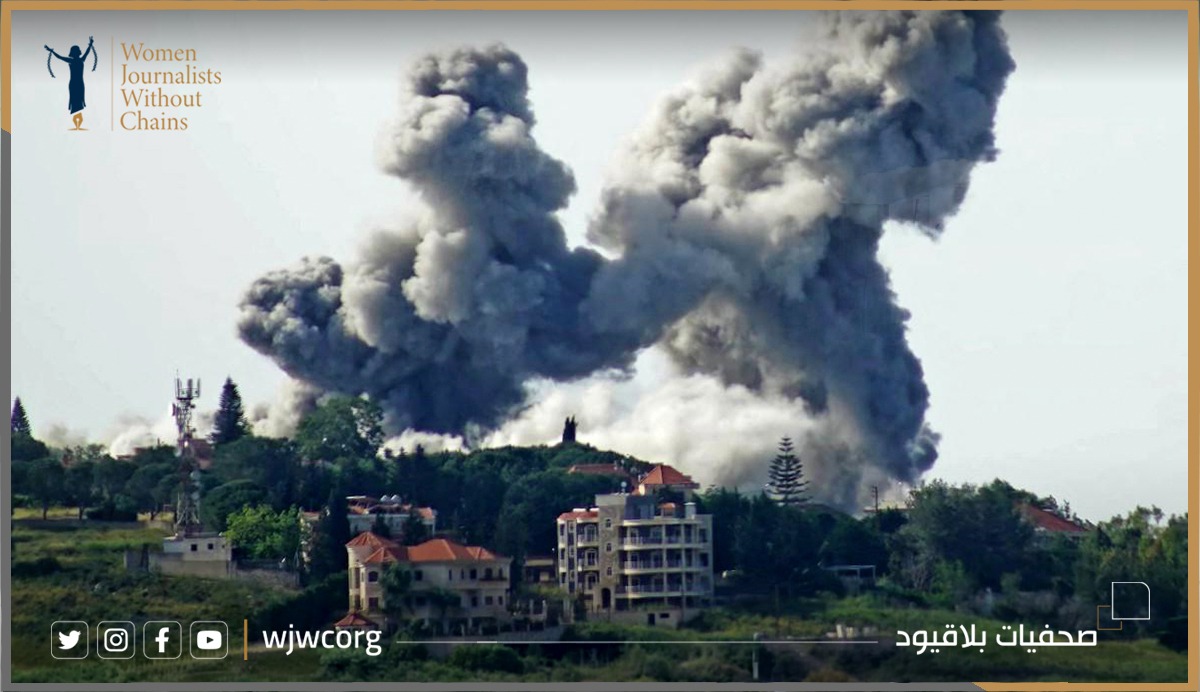
One of the most devastating incidents documented in the report occurred on September 10, 2025, when 31 journalists and media workers were killed in Israeli airstrikes that targeted media institutions in Sana’a. Women Journalists Without Chains described the attack as a direct and deliberate targeting of journalists while performing their professional duties, marking one of the deadliest single assaults on the press in Yemen’s history.
Women Journalists at Heightened Risk
The report highlights the particularly precarious situation of female journalists, who face escalating campaigns of incitement, defamation, and gender-based threats. Religious and social narratives are increasingly weaponized to exclude women from public space, placing their safety and livelihoods at severe risk.
According to union and international data cited in the report, 60% of women journalists in Yemen have experienced gender-based violence, while 93% express fear of online harassment and digital attacks.
Impunity as the Core Enabler
The organization stressed that impunity remains the single most dangerous driver of ongoing violations, noting that no credible investigations or accountability measures have been undertaken against those responsible for crimes against journalists.
Urgent Calls for International Action
In response to the findings, Women Journalists Without Chains called for:
- The immediate and unconditional release of all detained journalists
- Full disclosure of the fate of forcibly disappeared media workers
- An end to the use of the judiciary as a tool of intimidation
- The cessation of incitement and defamation campaigns
- The establishment of an independent international investigative mechanism to examine crimes against journalists in Yemen
- Enhanced safety measures and legal and psychological support for media professionals
The organization warned that press freedom in Yemen is approaching total collapse, urging urgent international intervention to protect journalists, restore accountability, and prevent the complete silencing of independent media.
Download and read the full report here