 En
En  Ar
Ar 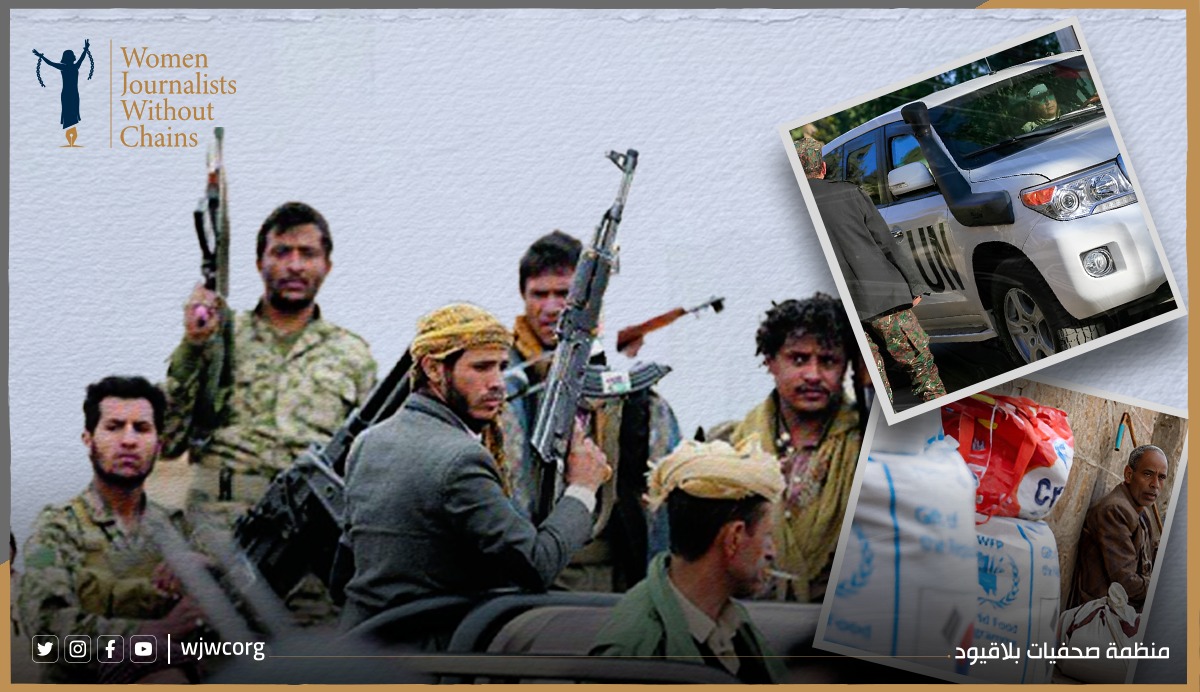
Since June 2024, the Houthi militia has carried out a sustained and escalating campaign of abductions, arbitrary detention, enforced disappearance, and intimidation targeting employees of international and local humanitarian organizations,
civil society actors, development professionals, academics, and other individuals engaged in humanitarian and public-interest work in areas under their control. Drawing on documented cases and patterns recorded between June 2024 and June 2026, this report finds that these violations form part of a broader policy aimed at restricting independent civic and humanitarian activity and consolidating control over public space.
The June 2024 raids marked the beginning of the most extensive wave of repression directed against humanitarian and civil society personnel in Houthi-controlled areas in recent years. The crackdown continued throughout 2024, 2025, and 2026 through successive waves of coordinated raids, abductions, arbitrary detentions, and coercive measures affecting United Nations personnel, employees of international and national organizations, civil activists, academics, and individuals associated with development and relief efforts.
The documented pattern demonstrates that these violations are neither isolated incidents nor temporary security measures. Rather, they reflect a recurring and organized practice that builds upon earlier instances of arbitrary detention and harassment of humanitarian workers. The evidence indicates a deliberate effort to intimidate independent actors, suppress civic engagement, and use detainees as instruments of pressure and political leverage. The consequences have been severe and far-reaching, causing profound harm to victims and their families, undermining the operational capacity of humanitarian organizations, restricting the delivery of essential assistance, and further exacerbating Yemen’s already critical humanitarian crisis.
The violations documented in this report include unlawful raids on homes and workplaces, confiscation of property, intimidation of family members, including children, arbitrary deprivation of liberty, enforced disappearance, denial of fundamental due process guarantees, torture, and other forms of cruel, inhuman, or degrading treatment. The widespread and systematic nature of these abuses against a clearly identifiable civilian population raises serious grounds to conclude that crimes against humanity may have been committed under international law.
The report further finds that the continuation of these violations reflects a broader failure by the international community and the United Nations system to ensure effective protection for humanitarian personnel and civil society actors operating in Yemen. The persistence of these abuses, coupled with the absence of meaningful accountability, has contributed to an environment in which violations continue with impunity, placing humanitarian workers and the communities they serve at increasing risk.
CHAPTER I: ARBITRARY DETENTION, ENFORCED DISAPPEARANCE, AND VIOLATIONS IN DETENTION
Evidence documented for this report indicates that humanitarian workers, United Nations personnel, civil society actors, and development professionals have been subjected to a sustained pattern of arbitrary detention, enforced disappearance, and related abuses in Houthi-controlled areas. Available United Nations data indicate that approximately 73 UN personnel remain among those detained, in addition to dozens of employees of international and national organizations whose cases are not reflected in official UN statistics. While the targeting of humanitarian workers predates June 2024, the scale, frequency, and coordination of violations since that date demonstrate a significant escalation and institutionalization of repressive practices directed against humanitarian and civic activity.
Those detained have reportedly been subjected to a range of serious violations, including arbitrary deprivation of liberty, prolonged enforced disappearance, incommunicado detention, denial of access to legal counsel and family members, extended solitary confinement, torture and other forms of cruel, inhuman, or degrading treatment, and the deliberate withholding of adequate medical care. In numerous cases, these practices have resulted in severe physical and psychological deterioration, placing detainees at significant risk of permanent harm and, in some instances, death.
Case Study: Ahmed Ba'alawi
Ahmed Ba'alawi, an employee of the World Food Programme, died while in Houthi detention less than three weeks after being detained alongside colleagues in January 2025. He remained forcibly disappeared until authorities announced his death on 11 February 2025. Available information raises serious concerns regarding the conditions of his detention and the treatment he may have been subjected to while in custody, including reports of inadequate medical care and confinement in conditions falling short of minimum humanitarian standards. No independent and transparent investigation into the circumstances of his death has been conducted. Reports indicating that burial procedures were carried out under pressure further underscore the need for an impartial investigation capable of establishing the cause of death and determining whether torture, ill-treatment, or medical neglect contributed to his death.
Case Study: Asim al-Ashari
Asim al-Ashari, a civil society activist and head of the Civil Coalition for Peace, has been subjected to enforced disappearance since May 2024. According to available information, he lost vision in one eye as a result of deteriorating detention conditions and the denial of timely medical treatment. He has reportedly been denied meaningful communication with his family and remains deprived of regular contact with the outside world. The prolonged nature of his detention and the reported deterioration of his health have had serious consequences for both him and his relatives.
Case Study: Sami al-Kalabi
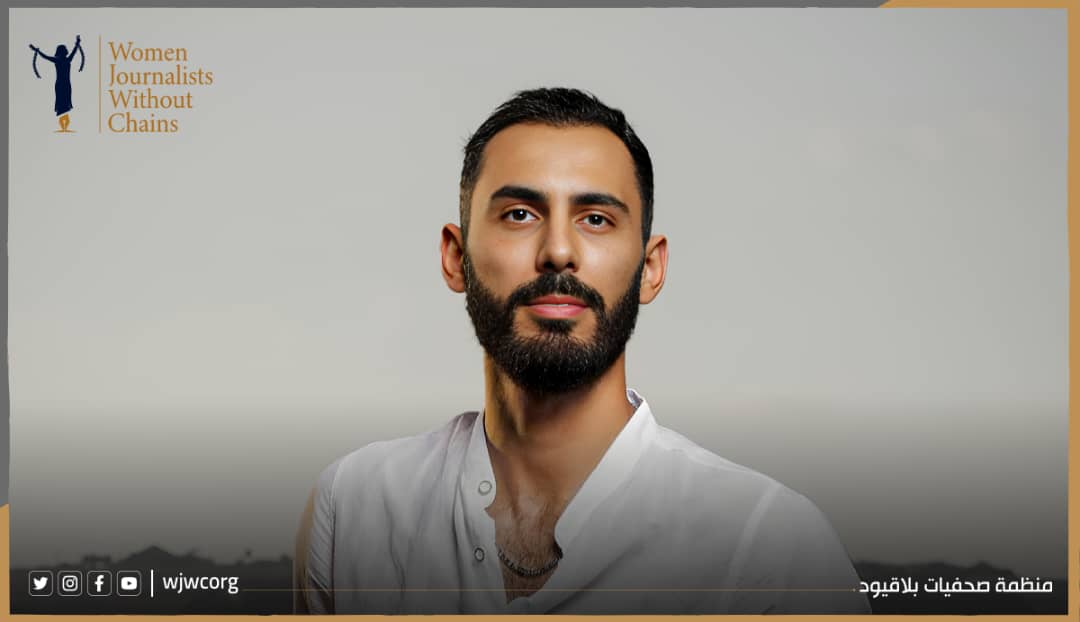
Sami al-Kalabi, a staff member of the Office of the United Nations Special Envoy for Yemen, has remained in detention since June 2024 despite serious and worsening health conditions. Available information indicates that he developed trigeminal neuralgia and Crohn’s disease while in detention and experienced complications requiring repeated hospitalization. Reports further indicate that he recently suffered acute health deterioration affecting his digestive system and kidney function and remained in critical condition for an extended period. The reported denial of adequate and timely medical care raises serious concerns regarding his right to health, physical integrity, and personal safety.
Pattern of Violations in Detention
The cases documented in this report reveal recurring characteristics that extend beyond individual incidents. Victims have repeatedly been subjected to enforced disappearance, prolonged incommunicado detention, restrictions on family contact, denial of legal representation, inadequate access to medical care, and conditions that have contributed to significant physical and psychological suffering. The consistency of these practices across multiple cases and over an extended period suggests the existence of a broader pattern of detention-related abuses rather than isolated misconduct.
The cumulative impact of these practices has transformed detention into a mechanism through which severe physical and psychological harm is inflicted on detainees. In many cases, the resulting deterioration of health and well-being appears foreseeable and preventable, particularly where authorities have allegedly ignored urgent medical needs or denied access to appropriate treatment.
Psychological Impact Beyond Detention
The impact of these violations extends beyond individuals directly subjected to detention. Humanitarian personnel operating in Houthi-controlled areas have increasingly faced an environment characterized by fear, uncertainty, and the constant threat of arbitrary detention. The death of Abdullah Shamsan al-Akhali, an information technology employee with UNHCR in Sana’a, on 9 October 2025 occurred amid a period marked by escalating detentions and raids targeting humanitarian workers and their colleagues. While no definitive causal relationship can be established between these circumstances and his death, the case illustrates the profound psychological pressures experienced by humanitarian personnel working under persistent threats and intimidation.
The climate created by widespread detentions, enforced disappearances, and intrusive raids has generated a pervasive sense of insecurity among humanitarian workers and their families. The cumulative psychological burden associated with these violations constitutes an additional and often overlooked consequence of the broader campaign targeting humanitarian and civic actors in Yemen.
CHAPTER II: SHOW TRIALS, DEATH SENTENCES, AND THE USE OF THE JUDICIARY AS A TOOL OF REPRESSION
The pattern of violations documented in this report did not end with arbitrary detention, enforced disappearance, torture, and ill-treatment. It evolved into a more serious phase characterized by the instrumentalization of judicial institutions under Houthi control to provide a veneer of legality for abuses already committed against detainees. The proceedings documented by this report lacked independence, impartiality, and the minimum guarantees of due process required under international law.
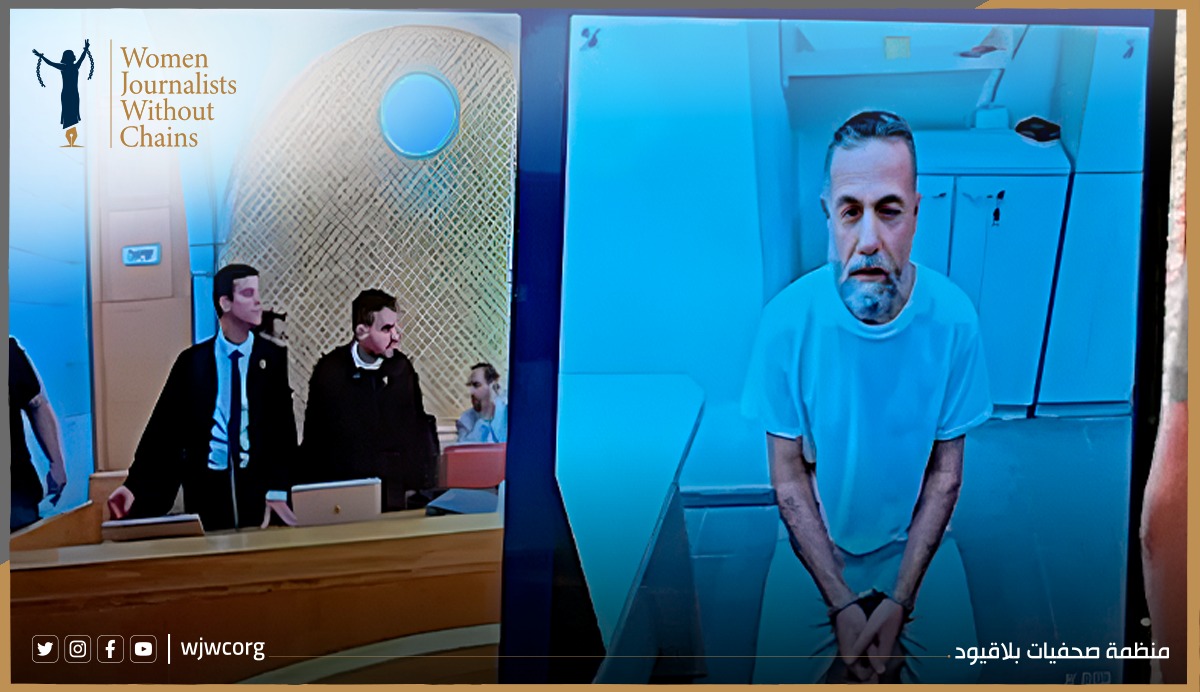
This escalation culminated in 2025, when the Houthi-controlled Specialized Criminal Court issued death sentences against 17 individuals in November 2025 on accusations of “espionage” and “collaboration.” Available information indicates that the proceedings relied heavily on confessions allegedly obtained in detention settings marked by credible allegations of torture, coercion, and prolonged incommunicado detention. The defendants were reportedly denied meaningful access to legal counsel, adequate time and facilities to prepare a defense, and regular communication with their families.
The hearings, which began on 7 December 2025, involved several employees of international and United Nations organizations, as well as individuals associated with humanitarian and development work. Those prosecuted included academic and education expert Dr. Mohammed Hatem al-Mukhlafi, Mohammed Ali al-Waziza, Hisham al-Wazir, Shaif al-Ba’dani, Amer al-Aghbari, Abdulmu’in Azzan, Bassam al-Mardahi, Jamil al-Faqih, Abdulqadir al-Saqqaf, Jamal Sultan, and Mohammed al-Qurashi, among others subjected to the same proceedings.
The trials were not isolated judicial events; they formed the final stage of a broader pattern of abuse. Individuals were first arbitrarily detained or forcibly disappeared, then held for extended periods without contact with the outside world, and finally brought before courts after being denied effective legal representation and the opportunity to challenge the evidence against them. These cumulative violations deprived the proceedings of any credible claim to legality or fairness.
The hostile public rhetoric surrounding the cases further undermined the possibility of impartial justice. Prior to and during the proceedings, Houthi-affiliated media outlets publicly accused humanitarian and international personnel of espionage and collaboration with foreign entities. Such rhetoric contributed to a climate of presumed guilt and appears to have been part of a broader effort to stigmatize humanitarian work and criminalize independent civic activity.
Under international human rights law, capital punishment may be imposed only following a final judgment rendered by a competent, independent, and impartial tribunal after proceedings that fully respect fair trial guarantees. The death sentences documented in this report raise serious concerns regarding compliance with those standards. The use of capital punishment in proceedings marred by allegations of torture, coerced confessions, denial of legal counsel, and political interference constitutes a grave threat to the right to life and to the integrity of the justice system itself.
The broader consequences extend beyond the individuals directly prosecuted. The use of courts to punish humanitarian workers and civil society actors sends a wider message of intimidation to organizations operating in Yemen, undermining confidence in legal institutions, restricting humanitarian engagement, and deepening the climate of fear surrounding independent humanitarian and civic activity.
CHAPTER III: HUMANITARIAN, PSYCHOLOGICAL, AND ECONOMIC IMPACT ON FAMILIES OF THE DETAINED AND FORCIBLY DISAPPEARED
The consequences of arbitrary detention and enforced disappearance extend far beyond those directly deprived of their liberty. The families of detainees and forcibly disappeared individuals have experienced prolonged and multifaceted harm arising from uncertainty regarding the fate and whereabouts of their relatives, the absence of reliable information, and the lack of effective legal or institutional remedies. As a result, family members have themselves become secondary victims of ongoing violations, bearing significant psychological, social, and economic burdens.
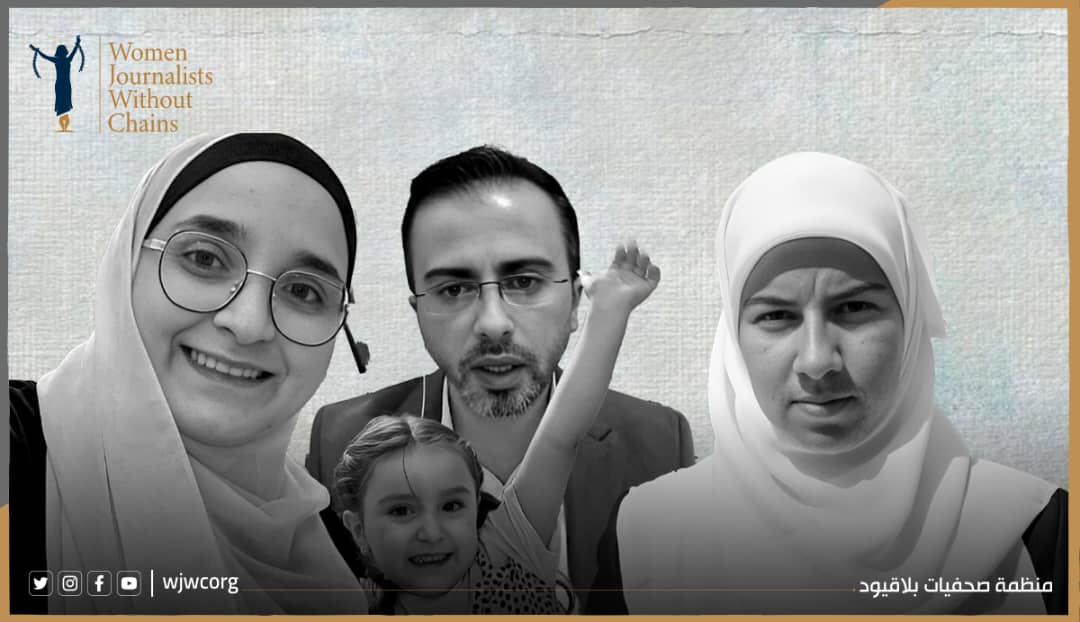
Documented cases indicate that prolonged uncertainty surrounding the fate of detained and forcibly disappeared individuals has had severe psychological consequences for family members. In recent years, several parents of detainees reportedly died following extended periods of emotional distress associated with the disappearance of their children and the absence of information concerning their condition or whereabouts. Available documentation indicates that approximately five such deaths occurred, including the mothers of Sara al-Faiq, Rabab al-Mudhwahi, and Murad Dhafir. While direct causation cannot always be conclusively established, these cases illustrate the profound psychological impact that prolonged uncertainty and enforced disappearance can impose on families.
In addition, at least nine parents reportedly experienced serious health complications, including strokes, cardiovascular conditions, and other illnesses associated with chronic psychological stress. Among the documented cases is the father of detained activist Asim al-Ashari, who suffered a severe stroke while his son remained in detention and inaccessible to family members. These incidents highlight the broader health consequences that prolonged detention and enforced disappearance may have on close relatives.
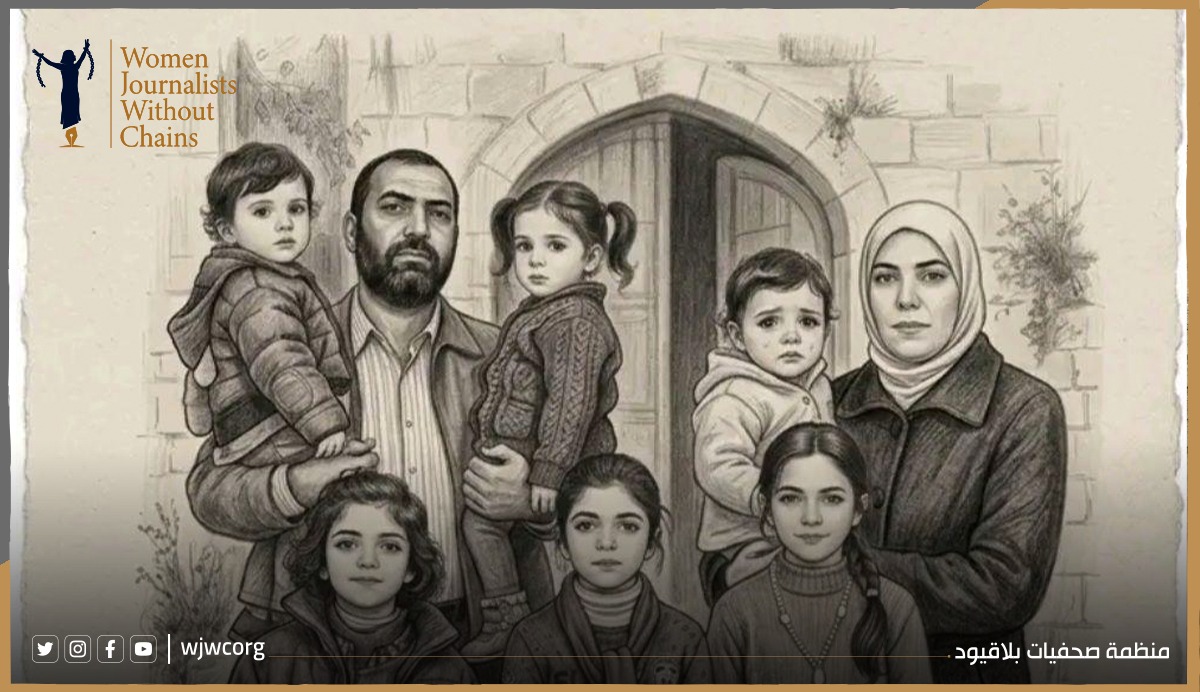
The impact has been particularly severe for spouses and children. Families have reported experiencing persistent anxiety, depression, psychological distress, and social isolation as a result of prolonged separation and uncertainty. Children, in particular, have faced emotional, behavioral, and educational challenges linked to the sudden absence of a parent and the uncertainty surrounding that parent's fate. In many cases, the effects of detention and disappearance have disrupted family structures and undermined the sense of stability essential to children's well-being and development.
The economic consequences have likewise been substantial. Many detainees served as the primary providers for their households prior to their detention. Their prolonged absence has resulted in significant loss of income and increased financial insecurity for affected families. Numerous households have reportedly struggled to meet basic needs and have become dependent on assistance, debt, or support from relatives. Families have also incurred additional expenses related to seeking information about detained relatives, pursuing legal remedies, traveling to detention facilities, and addressing the social and economic consequences of prolonged detention.
Beyond their personal suffering, many families have assumed an active role in advocating for the rights of detained relatives. Over the past two years, relatives of detainees have issued public appeals, open letters, and statements calling for disclosure of the fate and whereabouts of their family members and demanding their release. These efforts reflect both the absence of effective remedies and the determination of affected families to seek accountability despite significant obstacles and risks.
The cumulative impact of these violations extends beyond individual detainees and their immediate relatives. The prolonged detention and enforced disappearance of humanitarian workers, civil society actors, and other civilians have generated broader social consequences, affecting family cohesion, community resilience, and public confidence in the protection of fundamental rights. The continuing nature of these violations underscores the need for effective remedies, accountability measures, and comprehensive support for victims and their families, including access to truth, justice, rehabilitation, and guarantees of non-repetition.
CHAPTER IV: INTERNATIONAL AND UNITED NATIONS RESPONSE: PROTECTION GAPS AND ACCOUNTABILITY CHALLENGES
The continued detention of humanitarian workers, United Nations personnel, and employees of international and national organizations over an extended period highlights significant shortcomings in international efforts to ensure effective protection for individuals engaged in humanitarian and civic activities. The persistence of these violations raises serious concerns regarding the ability of existing protection mechanisms to safeguard personnel who perform essential humanitarian functions and who are entitled to protection under international human rights law and, where applicable, international humanitarian law.
The cases documented in this report demonstrate a progressive escalation of violations, ranging from arbitrary detention and enforced disappearance to torture, denial of due process, politically motivated prosecutions, and the imposition of death sentences. Despite sustained international attention and repeated expressions of concern, these violations have continued over a prolonged period, indicating the limited effectiveness of existing diplomatic, political, and institutional efforts to prevent further abuses or secure accountability for those responsible.
The United Nations, humanitarian organizations, and numerous international actors have repeatedly called for the release of detained humanitarian personnel and the protection of humanitarian space in Yemen. While these statements have played an important role in maintaining international attention on the issue, they have not been accompanied by measures capable of ensuring the release of detainees, preventing the recurrence of violations, or establishing meaningful accountability mechanisms. As a result, the absence of tangible consequences has contributed to a broader environment in which violations continue with limited deterrence.
The persistence of these abuses has had significant implications for humanitarian operations in Yemen. Humanitarian personnel increasingly operate in an environment characterized by insecurity, uncertainty, and the risk of detention or retaliation. This climate has undermined the ability of organizations to recruit and retain qualified staff, restricted operational capacity, and complicated efforts to deliver assistance to populations in need. The resulting constraints affect not only humanitarian workers themselves but also the millions of civilians who depend on humanitarian aid and essential services.
The protection of humanitarian workers is a fundamental requirement for the effective delivery of humanitarian assistance and the preservation of humanitarian principles. Ensuring their safety and freedom from arbitrary detention is not solely a matter of individual rights; it is essential to safeguarding access to life-saving assistance for vulnerable populations. The continued detention of humanitarian personnel therefore carries consequences that extend beyond the individuals directly affected and poses broader risks to humanitarian access, civilian protection, and the delivery of essential services throughout Yemen.
The findings of this report underscore the need for stronger and more effective international measures aimed at securing the release of arbitrarily detained humanitarian workers, ensuring accountability for serious violations, and reinforcing protections for humanitarian personnel operating in conflict-affected environments. Without meaningful accountability and sustained protection efforts, the risks facing humanitarian workers are likely to persist, with serious consequences for both humanitarian operations and civilian populations.
CHAPTER V: HUMANITARIAN, ECONOMIC, AND OPERATIONAL CONSEQUENCES OF TARGETING HUMANITARIAN WORKERS
The consequences of arbitrary detention, enforced disappearance, politically motivated prosecutions, and other forms of targeting directed against humanitarian workers extend far beyond the individuals directly affected. The cumulative impact of these violations has significantly disrupted the humanitarian operating environment in Yemen, undermining the capacity of humanitarian and development organizations to deliver essential assistance and services to populations in need.
Yemen continues to face one of the world's most severe and protracted humanitarian crises. According to United Nations estimates, approximately 19.5 million people require humanitarian assistance and protection, while between 18 and 18.3 million people experience varying levels of acute food insecurity. In this context, any restriction on humanitarian operations carries immediate and potentially life-threatening consequences for large segments of the civilian population.
The targeting of humanitarian personnel through detentions, raids, intimidation, and other coercive measures has contributed to a progressively more restrictive operational environment for humanitarian organizations. As security risks increased, several organizations reportedly reduced, suspended, or modified aspects of their operations in an effort to protect staff and maintain minimum operational continuity. These developments have affected both emergency response activities and longer-term development and resilience programs.
Raids on humanitarian offices, confiscation of equipment and operational assets, restrictions on movement, and the detention of national and international staff have directly affected the implementation of humanitarian programs. Such measures have disrupted organizational planning, reduced operational capacity, delayed project implementation, and complicated efforts to reach vulnerable communities. Sectors particularly affected include food security, health services, nutrition, protection, and other forms of life-saving assistance.
The deterioration of the humanitarian operating environment has occurred against a backdrop of worsening socioeconomic conditions. Rising poverty levels, unemployment, economic instability, and declining household purchasing power have increased dependence on humanitarian assistance across many parts of Yemen. At the same time, restrictions affecting humanitarian organizations have reduced their ability to respond effectively to growing needs, creating a widening gap between humanitarian demand and available assistance.
The evidence reviewed for this report suggests the emergence of a reinforcing cycle in which restrictions on humanitarian activities diminish the capacity of organizations to address urgent needs, while worsening humanitarian conditions increase the dependence of affected communities on external assistance. As needs continue to expand and humanitarian access becomes more constrained, civilian populations face heightened risks of food insecurity, deteriorating health conditions, loss of livelihoods, and reduced access to essential services.
The impact of these developments extends beyond humanitarian organizations themselves. The obstruction of humanitarian activities directly affects communities that rely on aid for survival, particularly internally displaced persons, women, children, persons with disabilities, and other vulnerable groups. Restrictions on humanitarian operations therefore carry consequences not only for organizational effectiveness but also for the protection of fundamental rights, including access to food, health care, protection services, and an adequate standard of living.
The protection of humanitarian personnel is both a legal obligation and a practical necessity for the effective delivery of humanitarian assistance. Ensuring that humanitarian workers can operate safely and independently is essential to maintaining humanitarian access and preserving the ability of organizations to respond to civilian needs. The continued targeting of humanitarian workers therefore represents not only an attack on individuals performing humanitarian functions but also a broader threat to the humanitarian response system and to millions of civilians who depend upon it for survival and protection.
CHAPTER VI: INTERNATIONAL CRIMES AND CRIMINAL RESPONSIBILITY
The incidents documented in this report demonstrates a recurring and interconnected pattern of violations committed against humanitarian workers, United Nations personnel, and employees of international and national organizations in Houthi‑controlled areas. These violations include arbitrary detention, enforced disappearance, prolonged incommunicado detention, torture and other forms of cruel, inhuman, or degrading treatment, denial of medical care, and judicial proceedings that fail to meet fundamental standards of fairness and due process. Taken together, these practices constitute a sustained course of conduct extending over several years and directed against a clearly identifiable civilian population.
The consistency of these violations, their repetition over time, and the deliberate targeting of individuals engaged in humanitarian, development, and civic activities indicate that they were not isolated incidents. Rather, they form part of an organized policy aimed at restricting independent humanitarian and civic space and consolidating control over actors operating outside direct political authority.
Under international criminal law, crimes against humanity arise when prohibited acts are committed as part of a widespread or systematic attack against a civilian population pursuant to, or in furtherance of, an organizational or state policy. The documented evidence provides serious grounds to conclude that several violations described in this report may constitute crimes against humanity within the meaning of Article 7 of the Rome Statute of the International Criminal Court. These include imprisonment or other severe deprivation of liberty, enforced disappearance, torture, persecution, and other inhumane acts intentionally causing great suffering or serious injury to physical or mental health.
The context of Yemen’s ongoing non‑international armed conflict also requires consideration of war crimes under international humanitarian law and Article 8 of the Rome Statute. The evidence raises serious concerns that practices such as unlawful deprivation of liberty, torture, cruel treatment, denial of fair trial guarantees, and the use of detainees as instruments of political leverage in circumstances resembling hostage‑taking may amount to war crimes where the requisite legal elements are satisfied.
The judicial proceedings documented in this report further raise significant concerns under international human rights law. The imposition of severe penalties, including death sentences, following proceedings reportedly characterized by torture, coerced confessions, restrictions on access to legal counsel, and the absence of essential fair trial guarantees, constitutes serious violations of the rights to life, liberty, due process, and fair trial as recognized under international law.
International criminal responsibility is not limited to direct perpetrators. Under established principles of international criminal law, responsibility extends to individuals who order, authorize, facilitate, assist, or otherwise contribute to the commission of violations. It also extends to superiors and commanders who knew, or should have known, that crimes were being committed and failed to take reasonable measures to prevent them or to ensure accountability. This principle of command responsibility is central to ensuring accountability for grave crimes.
The persistence of these violations, coupled with the absence of effective accountability mechanisms, underscores the urgent need for independent investigations capable of establishing individual responsibility and ensuring justice for victims. Accountability for serious violations of international human rights law and international humanitarian law is essential both to provide redress and to prevent recurrence.
Grave crimes under international law — including war crimes and crimes against humanity — are among the most serious offenses recognized globally. They are not subject to statutes of limitation, and individuals found responsible remain liable to investigation and prosecution before competent national or international judicial mechanisms.
CHAPTER VII: ATTRIBUTION OF RESPONSIBILITY
The ongoing campaigns of abduction, raids, arbitrary detention, enforced disappearance, and show trials carried out by Houthi militias against UN staff, international and local humanitarian workers, and civil and relief actors are strongly condemned.
Houthi militias bear full responsibility for the safety of all detainees and forcibly disappeared persons, and for all violations committed against them since their abduction — including deaths in detention, torture, ill-treatment, denial of medical care, and any future harm or violations.
The use of judiciary as a tool and the issuance of death sentences in trials lacking legitimacy, independence, and legal safeguards represent a dangerous escalation and flagrant violation of international law and basic principles of justice.
Continuation of these practices entrenches impunity, undermines the rule of law, threatens the future of humanitarian work and its independence, and exposes humanitarian workers and civilians to grave and ongoing risks.
INSTITUTIONAL POSITION
"Two years of abduction without redress or accountability is not merely a failure of protection — it is an indictment of the international system itself. When humanitarian workers are taken from their beds, tortured in secret cells, and sentenced to death in show trials, and the world responds with statements rather than action, the message is clear: international law has become optional. This report demands what statements cannot: the immediate release of every detainee, the dismantling of this machinery of repression, and the prosecution of those who have turned humanitarian work into a capital crime."
RECOMMENDATIONS
The findings of this report demonstrate the urgent need for coordinated action to end ongoing violations against humanitarian workers, ensure accountability for serious abuses, and protect humanitarian operations in Yemen. The following recommendations are addressed to relevant authorities, international institutions, and other stakeholders.
I. To the Houthi militia
1. Immediately and unconditionally release all humanitarian workers, United Nations personnel, civil society actors, and other civilians arbitrarily detained in connection with their humanitarian, development, or civic activities.
2. Immediately disclose the fate and whereabouts of all individuals subjected to enforced disappearance and ensure their protection from further harm.
3. Guarantee all detainees regular and confidential access to their families and legal representatives.
4. Ensure prompt, adequate, and non-discriminatory access to medical care for all detainees, particularly those suffering from serious or life-threatening health conditions.
5. End the use of torture, cruel, inhuman, or degrading treatment, prolonged solitary confinement, and all other forms of abuse in detention facilities.
6. Annul judicial proceedings and sentences that fail to meet international fair trial standards, including death sentences imposed following proceedings marred by allegations of torture, coerced confessions, or denial of due process.
7. Permit independent monitoring of detention facilities by competent international organizations and humanitarian bodies.
II. To the United Nations
1. Intensify efforts to secure the immediate release of detained United Nations personnel and all other arbitrarily detained humanitarian workers.
2. Strengthen monitoring, reporting, and public documentation of violations committed against humanitarian personnel and civil society actors in Yemen.
3. Ensure that attacks on humanitarian workers remain a priority issue within relevant United Nations human rights, humanitarian, and accountability mechanisms.
4. Support the establishment or strengthening of independent investigative mechanisms capable of documenting violations and preserving evidence for future accountability processes.
5. Enhance protection measures for humanitarian personnel operating in high-risk environments and develop coordinated response mechanisms for cases involving arbitrary detention and enforced disappearance.
III. To the United Nations Security Council
1. Place the targeting of humanitarian workers and United Nations personnel in Yemen on the Council's agenda as a matter affecting civilian protection and humanitarian access.
2. Consider appropriate measures against individuals and entities responsible for serious violations of international human rights law and international humanitarian law.
3. Support efforts aimed at ensuring accountability for violations that may amount to war crimes or crimes against humanity.
IV. To Member States and the International Community
1. Use all available diplomatic channels to press for the immediate release of arbitrarily detained humanitarian workers and the disclosure of the fate of forcibly disappeared persons.
2. Ensure sustained political and financial support for accountability initiatives addressing serious violations committed against humanitarian personnel and civilians in Yemen.
3. Support international efforts to investigate allegations of torture, enforced disappearance, deaths in detention, unfair trials, and other grave violations documented in this report.
4. Consider appropriate legal and diplomatic measures against individuals credibly implicated in serious violations of international law.
5. Strengthen protection frameworks for humanitarian workers and reinforce international commitments to safeguarding humanitarian space in conflict settings.
V. To International Accountability Mechanisms and Relevant Judicial Authorities
1. Conduct independent, impartial, and effective investigations into allegations of arbitrary detention, enforced disappearance, torture, deaths in detention, unfair trials, and other serious violations documented in this report.
2. Preserve evidence and documentation related to potential international crimes, including crimes against humanity and war crimes.
3. Pursue accountability for individuals responsible for ordering, facilitating, committing, or failing to prevent serious violations, in accordance with applicable principles of international law.
4. Ensure that victims and their families have access to truth, justice, reparations, and effective remedies.
VI. To Humanitarian Organizations and International NGOs
1. Continue coordinated advocacy efforts aimed at securing the release of detained humanitarian personnel and protecting humanitarian space in Yemen.
2. Strengthen support services for affected families, including legal assistance, psychosocial support, and emergency economic assistance.
3. Enhance information-sharing and protection mechanisms to reduce risks faced by humanitarian personnel operating in high-risk environments.
4. Continue documenting violations against humanitarian workers and supporting efforts to ensure accountability and non-repetition.
Issued by:
Women Journalists Without Chains
Geneva, Switzerland —June 13, 2026